
first generations hiphop honorees
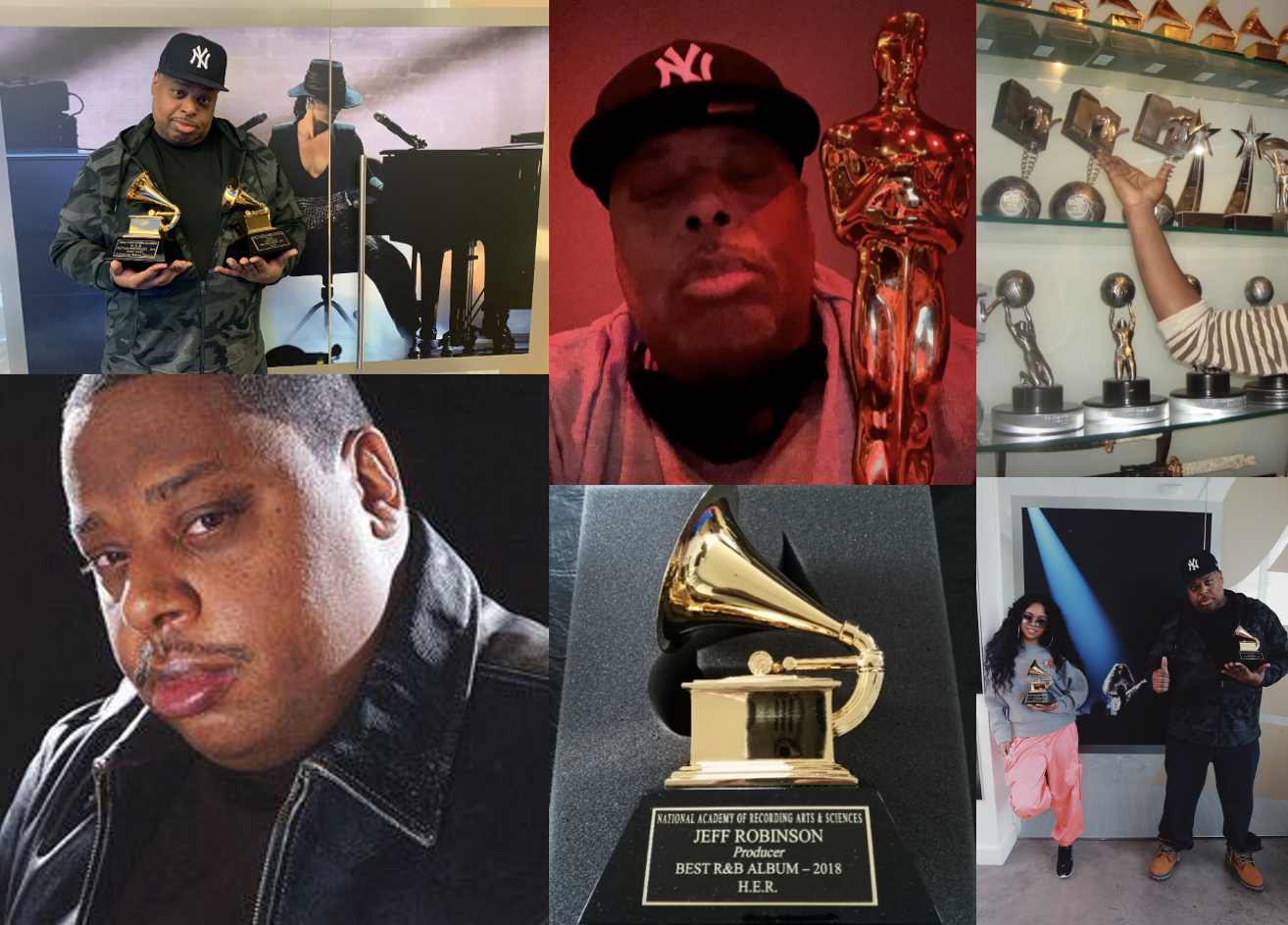
Every business thrives on truth. As Founder and C.E.O. of MBK Entertainment, Jeff Robinson’s commitment to unabashed honesty underpins the success of some of the most influential artists of the past three decades. Under his watch, company alumnus Alicia Keys transformed from a quiet teen in The Bronx into an icon. Meanwhile, his current roster spans GRAMMY® Award winner H.E.R., multiplatinum singer and songwriter Tiara Thomas, and buzzing stars Lonr., Tone Stith, Maeta, and more. Simultaneously, he continues to produce projects for film and television with credits such as the award-winning festival favorite Pariah. Forbes has profiled him, while Crain’s New York Business named him among its “40 Under 40.” Out of hundreds of nominations, artists under his advisement have received dozens of top honors at the GRAMMY® Awards, American Music Awards, Billboard Music Awards, NCAAP Awards, MTV VMAs, and BET Awards, to name a few.
However, his sustained success stems from an uncanny ability to tell it like it is.
“I’m 100% honest, because we’re in business,” he affirms. “As an artist, everybody tells you what they think you want to hear. The fear is, ‘If my client gets upset, I’ll lose my job’. There’s no fear like that with me. I want every client to say, ‘He can be a little rough sometimes, but he’s always straightforward’. It’s what keeps everyone on top.”
Growing up in Harlem and The Bronx, he adopted this edge as a kid. Dad officially worked for the Post Office and unofficially ran numbers. With mom juggling jobs, he often babysat Jeff and his five siblings— in the local bar. During those days, the jukebox immediately transfixed Jeff.
“It played everything from Marvin Gaye to Sam & Dave,” he recalls. “I remember watching the old guys dance in their shiny shoes and dress pants. I got a whole education in music and fell in love with blending styles.”
For five or ten dollars, he began making “slow jam tapes” for kids in the neighborhood. Each compilation soundtracked an entire date night and “told a story.” Upon accepting Jesus Christ, mom quit drinking and brought all of the children to church weekly where Jeff discovered gospel music and the likes of Andraé Crouch, Vanessa Bell Armstrong, and more. In between playing basketball for Lehman College, he dabbled in the streets. A few bad choices later, he found himself exiting a courthouse one day when he ran into an old college buddy Kurt Woodley. Notably, Kurt worked at the groundfloor of the legendary Uptown Records and invited Jeff to a studio session for Mary J. Blige’s What’s The 411?
Inspired and energized, he dove headfirst into the business. Tutored by Kurt and late Uptown Records founder Andre Harrell, he oversaw the career of Casserine known for “Why Not Take All of Me?” Collaborating with Warner Bros. Records at the time, he built longstanding friendships with colleagues and mentors like Benny Medina and Peter Edge. In 1995, his brother invited him to the Boys & Girls Club to hear a young prodigy who happened to be Alicia Keys. He spent the next five years cultivating her talents and encouraging her to progress as a songwriter. Rather than perform for labels individually, Jeff arranged back-to-back showcases where rival reps ran into each other, sparking a historic bidding war. As the story goes, Alicia sold tens of millions of records, garnered 14 GRAMMY® Awards, made history many times over, and performed at The Great Wall of China, at The Roman Colosseum, and in Cape Town for a storied HIV/AIDS benefit during her fifteen-year tenure as an MBK client.
Along the way, Jeff elevated the careers of Elle Varner, SWV, K. Michelle, Gabi Wilson, and Tyrese. He also developed another budding talent H.E.R. At just 11-years-old, she caught his attention, and he eventually introduced her to the masses. The enigmatic powerhouse took home “Best R&B Album” at the 2019 GRAMMY® Awards for H.E.R. and achieved numerous multiplatinum certifications. Beyond H.E.R., he has built a formidable stable as Lonr., Maeta, Tiara, and more consistently make waves.
Extending his reach, he served as executive producer for 2011’s Pariah. Among dozens of nominations, the film took home “Outstanding Independent Motion Picture” at the NAACP Image Awards and picked up the “Excellence in Cinematography” Award at the Sundance Film Festival.
Marking a full circle moment, he signed five-piece gospel ensemble Livre’ and primed their chart success with the 2016 debut, JERICHO: Tribe of Joshua. The record produced a string of hits on various Billboard charts, including “Amazing” and “I Will Be Alright.”
“Gospel music formed who I am today,” he smiles. “Nobody was closer to me than my mother, and she instilled faith in me. To have success with a gospel project was one of my biggest achievements, if not the biggest.”
In the end, Jeff’s honesty will resound through the music business and culture for a long time to come.
“We have to continue to grow,” he leaves off. “I have a very creative mind, so I’m always thinking. No one ever has to know who I am. I want the artists to make an impact. When listeners see a little bit of themselves in a song, it gives them a voice. That’s what I want them to take away. I’m on my legacy quest now.”
Over hundred million records sold, Oscar, Emmy and 19 Grammys under his belt.
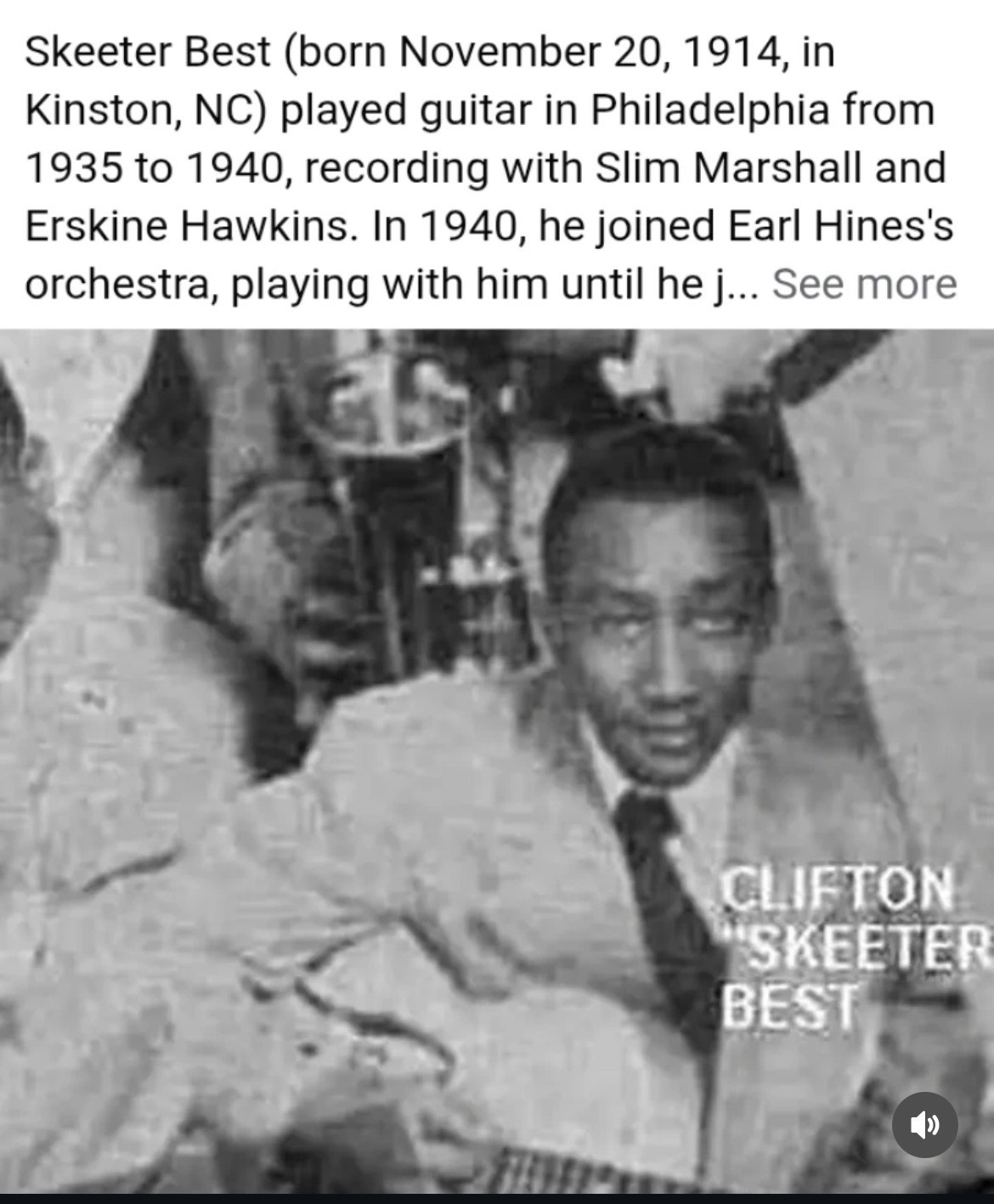
Clifton “Skeeter” Best
Born: November 20, 1914
Birthplace: Kinston, North Carolina
Clifton “Skeeter” Best was an American jazz guitarist. He played in Philadelphia from 1935 to 1940, recording with Slim Marshall and Erskine Hawkins. In the 1940s, he joined Earl Hines’s orchestra and performed with the group until he entered the U.S. Navy in 1942.
After World War II, Best played with Bill Johnson from 1945 to 1949. He toured East Asia with Oscar Pettiford in 1951 and 1952, and in the 1950s he formed his own trio. In 1957, he participated in the critically acclaimed recording session Soul Brothers with Ray Charles and Milt Jackson.
In 1958, Best recorded with Mercer Ellington and also worked with many notable artists, including Harry Belafonte, Etta Jones, Milt Hinton, Osie Johnson, Paul Quinichette, Jimmy Rushing, Sonny Stitt, Charles Thompson, and Lucky Thompson. Later, he led his own trio, accompanied singer Nellie Lutcher, and freelanced extensively in recording studios.
For many years, Best taught music at Manna House on East 106th Street. In his later years, he moved to the Bronx and lived in the Bronxdale Housing Projects, where he continued teaching and mentoring students in the community.
Clifton “Skeeter” Best passed away on May 27, 1985. He is deeply missed by the residents of the Bronxdale Housing Projects and will forever be honored and remembered as a local legend.
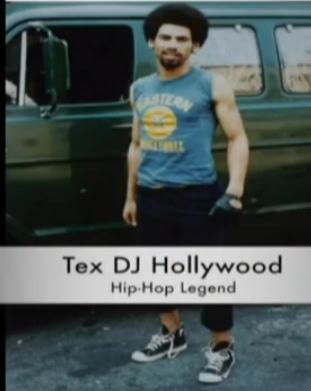
Tex DJ Hollywood was a member of the Bronxdale crew and affiliated with Disco King Mario. Together, they were known for throwing history-making block parties at Rosedale and Bronxdale Parks. Some accounts describe legendary setups where Mario and Tex combined their sound systems to create a single musical extravaganza—an immersive fusion of sound and emotion never before experienced. These events left crowds in awe.
They were also pioneers in hosting simultaneous parties, famously staging two events at once on opposite sides of a divider at JHS 123. This innovative approach played a significant role in influencing the emerging hip-hop culture.
Tex DJ Hollywood began DJing in 1971 and is widely regarded as a significant forerunner in hip-hop history, often recognized as the first Latino DJ to help shape the culture.
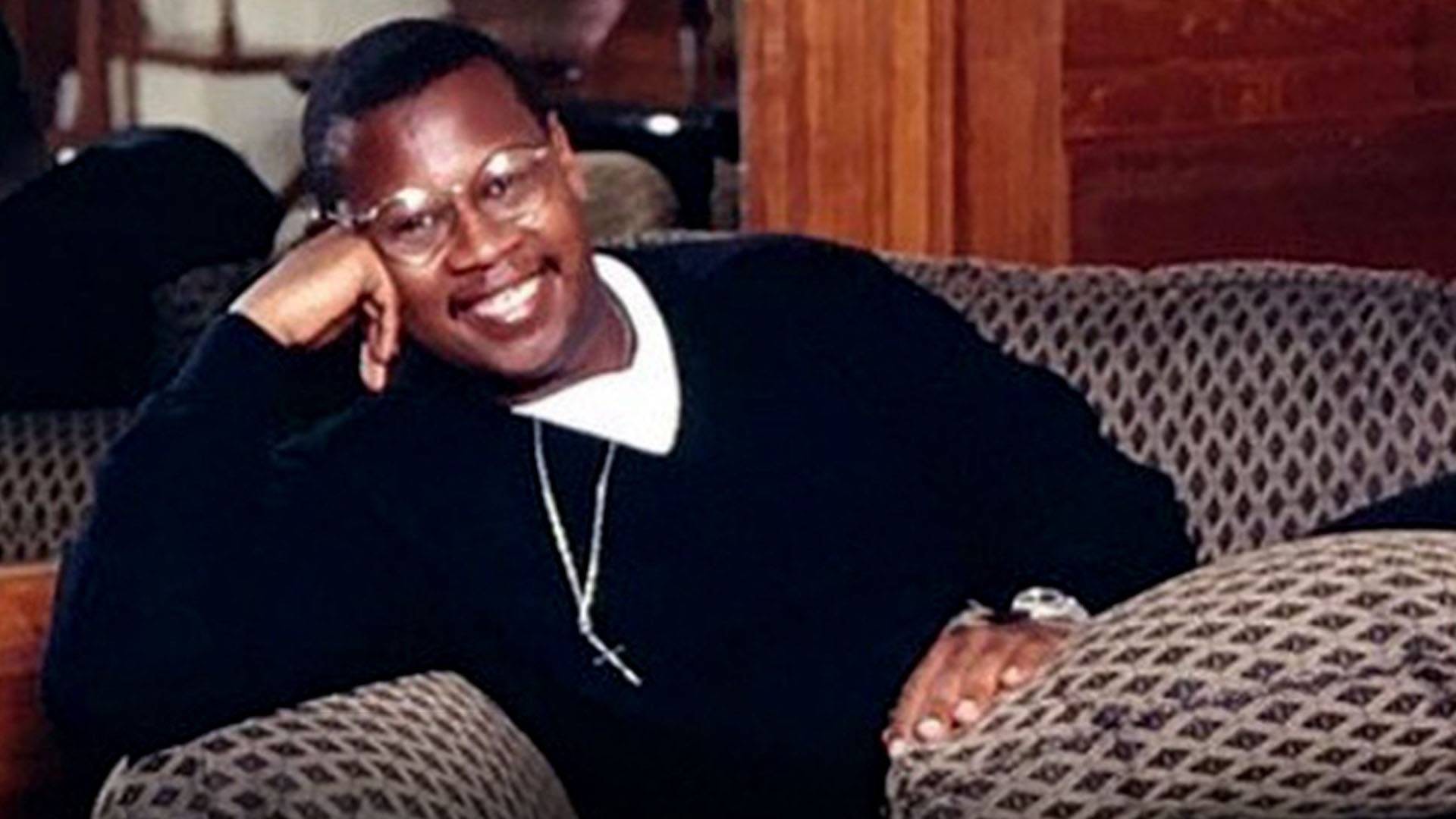
Andre Harrell: The Architect of Global Style
Andre Harrell (1960–2020) was a legendary entertainment mogul, the founder of Uptown Records, and the pioneer of “Hip-Hop Soul.” He was a visionary who didn’t just sell music—he sold a lifestyle.
By merging the raw energy of the Bronx streets with high-fashion aspiration, Harrell created a cultural movement that redefined Black excellence for the world. His genius was not only in discovering talent, but in shaping an image, a sound, and an era.
## The Bronxdale Connection
Before he became an industry icon, Andre was a young man from the Bronxdale Housing Projects with a sharp eye for talent and culture. His building stood next door to the one shared by Jeff Robinson and Disco King Mario. Growing up in the same neighborhood as Zulu Queen Anita, Andre was surrounded by a circle of future legends, local heroes, and innovators.
While Disco King Mario revolutionized the streets with his massive sound system, Andre observed the style, ambition, and rhythm of his environment. Even then, he was studying the culture—preparing to translate Bronx magic into a global empire.
## The Artist Before the Executive
Andre first entered the spotlight as one-half of the hip-hop duo Dr. Jeckyll & Mr. Hyde, alongside their DJ, Galaxy. The group gained recognition for their hit “Genius Rap,” giving Andre firsthand experience as an artist.
That experience became foundational. It gave him the “artist’s eye”—an understanding of image, performance, and branding—that would later define his success as an executive.
True to the Bronxdale spirit of “each one, teach one,” Andre introduced his childhood friend Jeff Robinson to the music industry. That introduction sparked a partnership that would go on to produce dozens of Grammy-winning moments and reshape the business.
## The Uptown Era: Building a Movement
In 1986, Andre founded Uptown Records, pioneering the New Jack Swing sound and elevating R&B and hip-hop to new levels of sophistication.
Under his leadership, Uptown became a cultural powerhouse, launching and developing iconic artists:
Mary J. Blige – The Queen of Hip-Hop Soul, discovered and brought to Uptown by Jeff Redd.
Jodeci – The “Bad Boys of R&B,” introduced to the industry by Al B. Sure!
Heavy D & the Boyz – Led by Heavy D, the “Overweight Lover” from Mount Vernon who helped put the label on the map.
Jeff Redd – An R&B powerhouse and A&R force who shaped the label’s signature vocal sound.
Finesse & Synquis – A trailblazing female rap duo from the original Uptown roster.
Guy (featuring Teddy Riley) – Architects of the New Jack Swing sound.
Christopher Williams – A Bronx native whose album *Changes* produced major hits and whose role in *New Jack City* cemented him as a crossover star.
Soul for Real – Four brothers from Wyandanch whose platinum debut *Candy Rain* became a defining soundtrack of the mid-’90s.
Sean “Diddy” Combs – Mentored by Andre, Diddy began as an intern at Uptown before launching his own historic career.
## The Powerhouse Partnership: Al B. Sure! & The Early Foundation
In Uptown’s early days, before Sean “Diddy” Combs became a household name, Al B. Sure! was a driving creative force behind the label’s initial success.
As Uptown’s first platinum artist, he contributed as a writer and producer, helping shape the New Jack Swing era and solidify the credibility of Andre’s vision. His early contributions were instrumental in establishing Uptown as a dominant force in modern R&B.
## Awards, Impact, and Cultural Influence
Andre Harrell’s contributions extended beyond music. He served as Executive Producer of the film *Strictly Business* and the hit television series *New York Undercover*, further expanding hip-hop’s influence into film and television.
His impact earned him some of the industry’s highest honors, including the Grammy Salute to Industry Icons Award and the Dr. Dre Global Impact Award.
## The Enduring Legacy
Andre Harrell didn’t just build a record label—he built a bridge between street culture and corporate power, between hip-hop authenticity and executive elegance.
From the Bronxdale Housing Projects to global boardrooms, he remained a curator of excellence, a mentor to visionaries, and a master architect of culture.
He was, and will always remain, the Architect of Global Style.
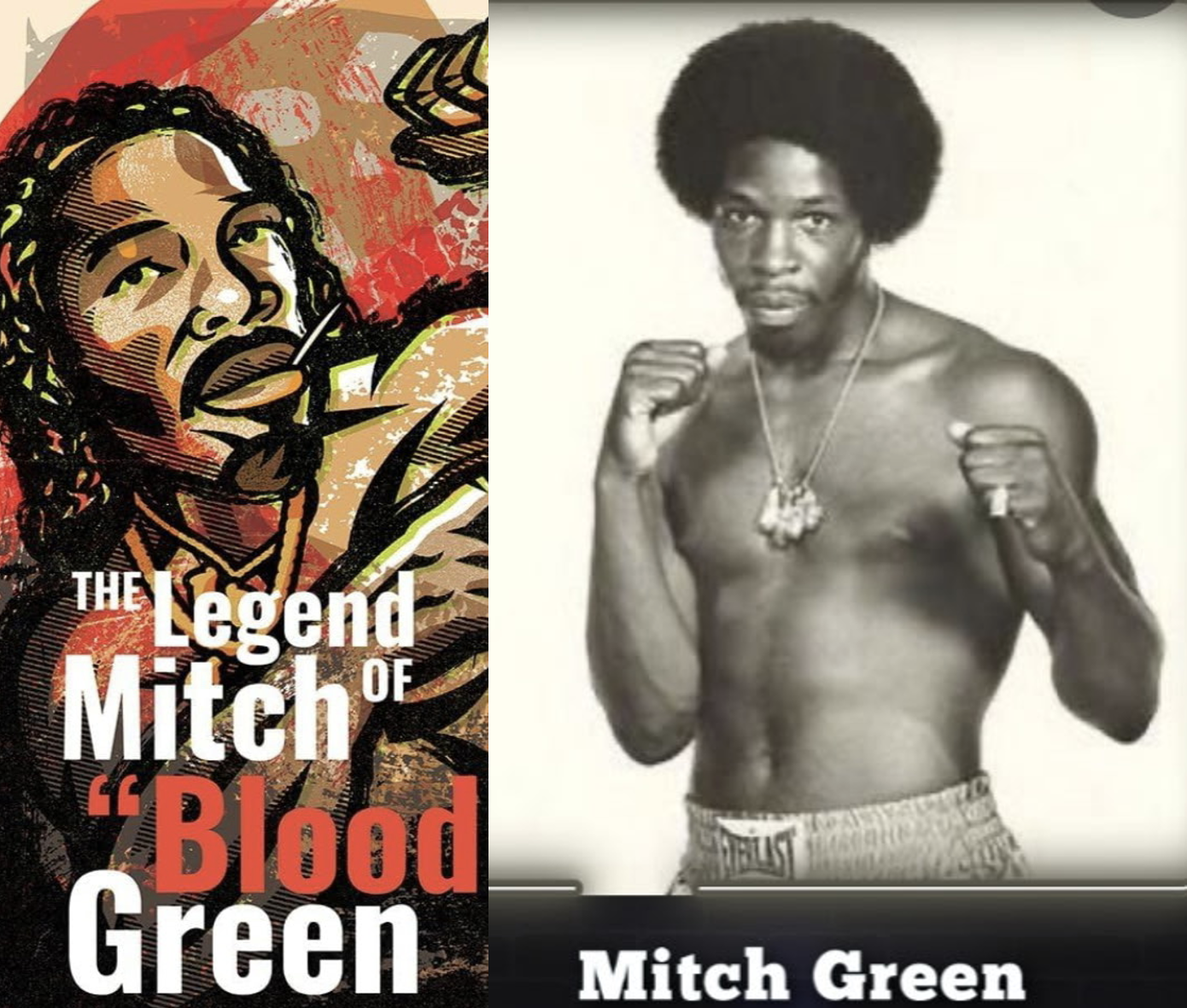
.
Aaron Davis, known as “Superman,” turned professional in 1986 and won his first 32 fights. His rise included a stunning 9th-round knockout upset over Mark Breland, capturing the WBA Welterweight Title in 1990.
He lost the title the following year to former light-welterweight champion Meldrick Taylor.
Davis would later receive one more opportunity at a major world title, challenging Julio César Vásquez for the WBA Super Welterweight Championship, where he lost by majority decision.
Notably, Aaron Davis was never knocked out in a professional fight and retired in 2002.
Aaron and Queen Anita grew up together as children.
Aaron is from Disco King 👑 Mario’s Building, Bronxdale Housing Projects, Bronx, New York.
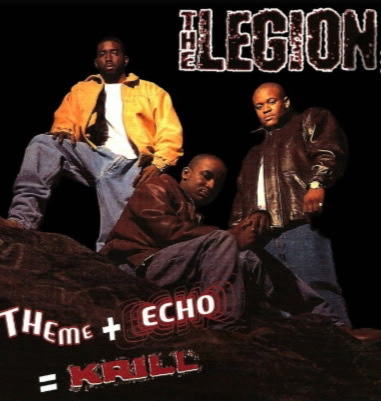
The Legion is a classic underground hip-hop trio from the Bronx, New York, consisting of Molecules, Cee-Low (Dice Man), and Chucky Smash. They are known for their gritty, authentic East Coast sound, most notably from their 1994 debut album Theme + Echo = Krill, as well as later releases such as Three the Bronx Way (2019).
Discovered by Dres of Black Sheep, The Legion emerged during the early ’90s boom-bap era. They were affiliated with D.I.T.C. and have consistently maintained a raw, lyrical style that celebrates Bronx culture.
The Legion represent not only the Bronxdale Housing Projects, but the entire Boogie Down Bronx.
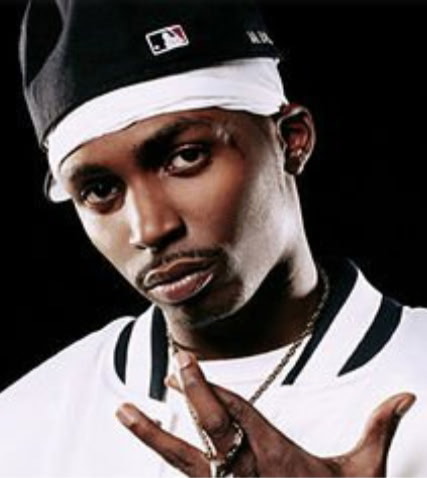
Drag-On, born Melvin Jason Smalls, is an American rapper raised in the Bronxdale Housing Projects in The Bronx, New York City, New York.
He is best known for his affiliation with the late DMX, as both artists were signed to the Ruff Ryders record label.
Drag-On has appeared in the 2001 film Exit Wounds and the 2003 film Cradle 2 the Grave, alongside his label-mate DMX (RIP).
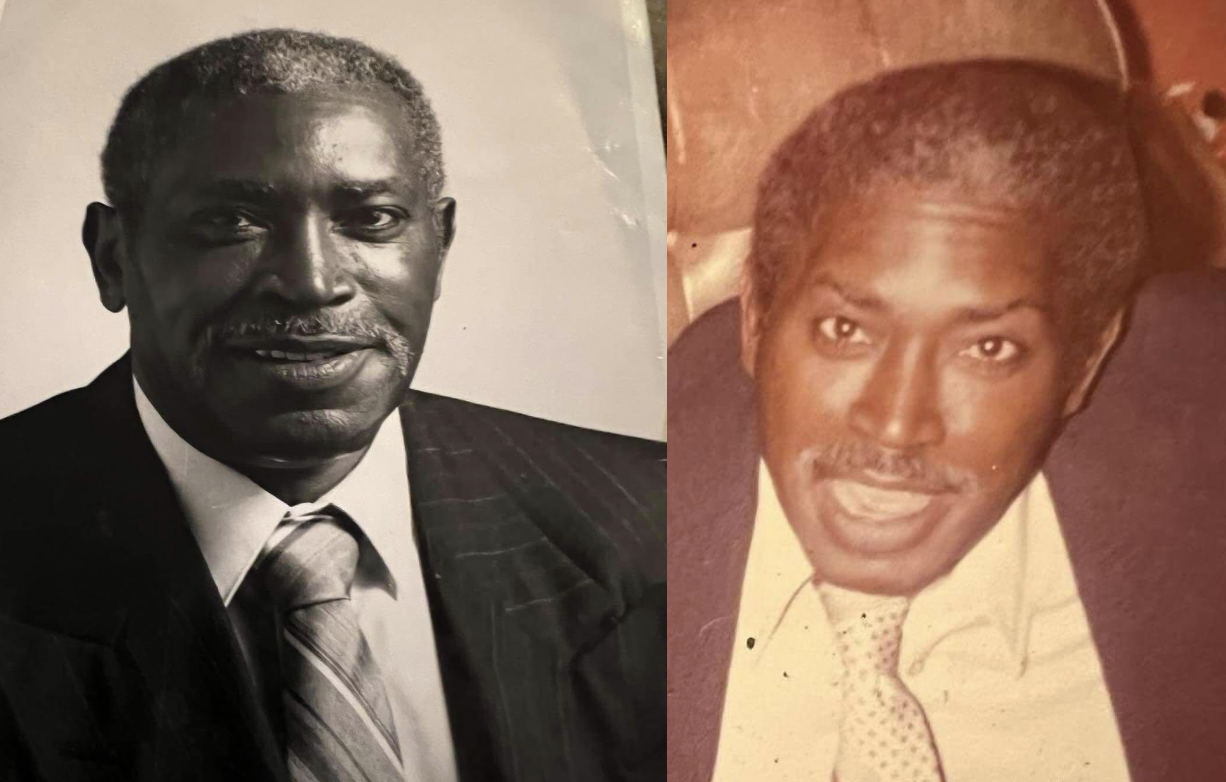
Mr. Edward Cain of the Bronxdale Projects was a community activist from Disco King Mario’s building. He made important contributions to hip-hop culture and was instrumental in supporting Disco King Mario.
Mr. Edward Cain helped secure access to P.S. 123 Junior High School, where Mario was able to host his famous hip-hop events in the 1970s.
His wife, Mrs. Helen Cain, worked at P.S. 123 Junior High School in the Boogie Down Bronx, in the Soundview section.
Rest in Peace
Mr. & Mrs. Edward and Helen Cain
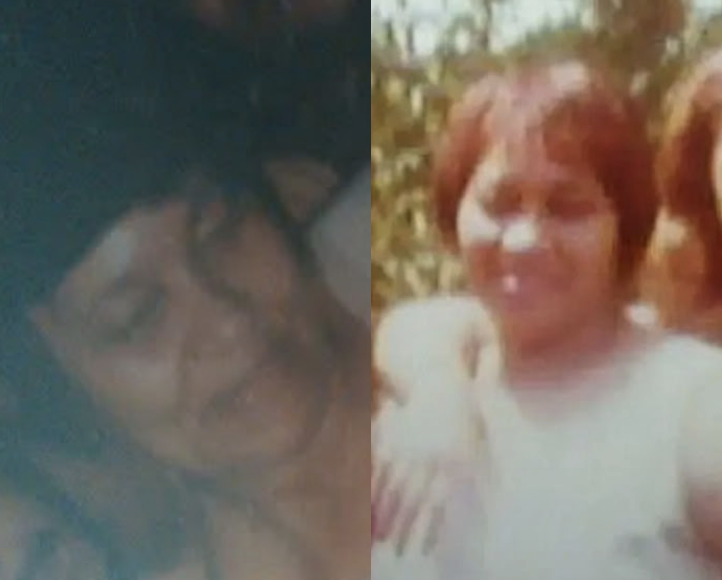
Mrs. Mae Ames was Disco King 👑 Mario’s aunt. She helped Queen Anita create the Disco King Mario Memorials.
In 1994, Queen Anita received important information from Mario’s Aunt Mae, along with her blessing. Queen Anita made a promise to Aunt Mae that she would make her nephew famous again—more famous than ever before.
Thirty-two years later, Zulu Queen 👑 Anita kept her word.
Many of the images of Disco King Mario that are circulating today originally came from Aunt Mae. She entrusted these photos to Queen Anita so they could be used to promote her nephew’s legacy. Aunt Mae passed away in 2009.
On July 3, 2026, in the Boogie Down Bronx at the Bronx Music Hall, Aunt Mae Ames will be honored with the Disco King Mario Awards for being a Local Hero. This award is named after her late nephew.
Rest in Peace
Aunt Mae Ames
&
Disco King 👑 Mario
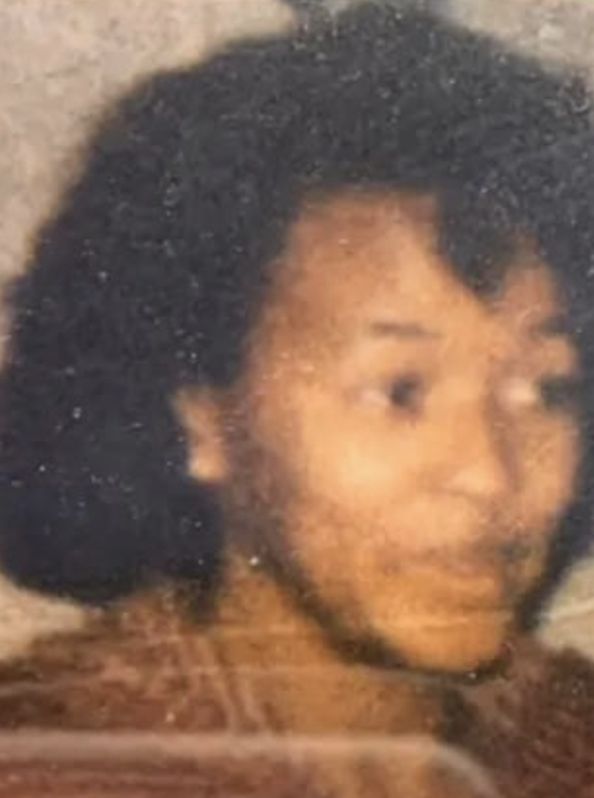
Mrs. Mary Scott was a local hero in the first section of the Bronxdale Projects community.
From her building came several influential figures, including Jeff Robinson, who discovered Alicia Keys; musical artist Her; Black Spades DJ Sinbad; and boxing legend Aaron “Superman” Davis, who defeated fellow boxing legend Mark Breland. All were from Disco King Mario’s building.
Mrs. Mary Scott played a major role in supporting Mario’s music system. She consistently allowed him to plug his equipment through her second-floor window so the entire community could hear his powerful “Big Earthquakers.”
We honor Mrs. Mary Scott for her contributions to hip-hop culture, as well as for her dedication to the children of the Bronxdale Projects. As a community watch monitor, she made sure the children safely made it to the school bus every morning.
Mrs. Mary Scott took in and cared for many children, feeding them and opening her home to the entire Bronxdale Projects community.
Thank you,
Mrs. Aunt Mary
Rest in Peace 🙏
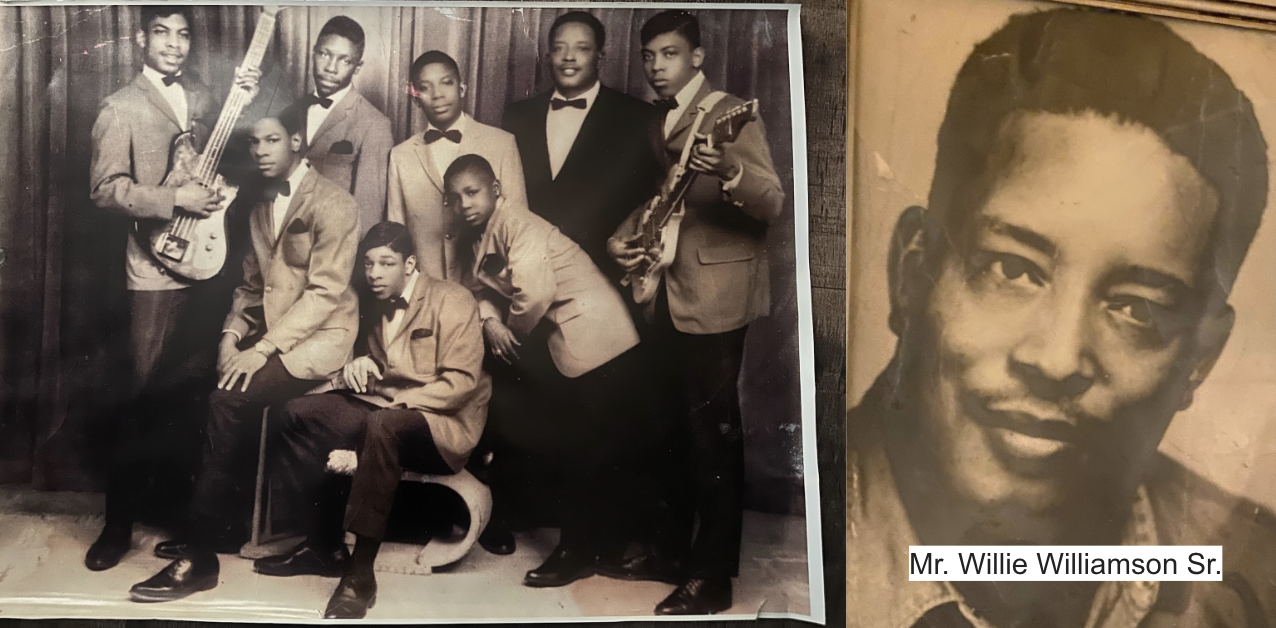
The Boys Of Wonder " was a male gospel group originated from The Bronxdale Houses , founded and managed by Mr Willie J. Williamson ,this group started singing in 1966 and went on to win amateur night at the Apollo twice . They sang gospel throughout their high school years .
Their lead singer Bryant Williamson , was dubbed
"The 12 Year Old Preacher From The Bronx " by gospel radio personality Fred Barr, on WWRL.
Mr Williamson promoted this young group that made three gospel recordings titled Living in Jesus Name, Prayer changes things, Do you ever need Jesus.
These recordings were aired on radio stations WLIB hosted by radio personalities Joe Bostic Sr and Joe Bostic Jr.
and Bro. Joe Crane gospel radio station from NJ.
They were awarded nys number one youth quartet group for two consecutive years and appeared at the Felt Forum in Madison Square Garden two times.
The following Group members included ; (lead singer ) Bryant Williamson, Willie Williamson Jr. , Noble Brothers, Samuel White
Mr Williamson the group manager , promoted and traveled with this group through out the tristate area and other states including Baltimore , Maryland, Cleveland Ohio,
Virginia and the Carolina's.
This was a Manager who introduce them to the world of gospel music and the significance of the black church.
This young group touched the hearts of many
Young people throughout the city of New York who followed and supported this group.
To this day this young group is still remembered.
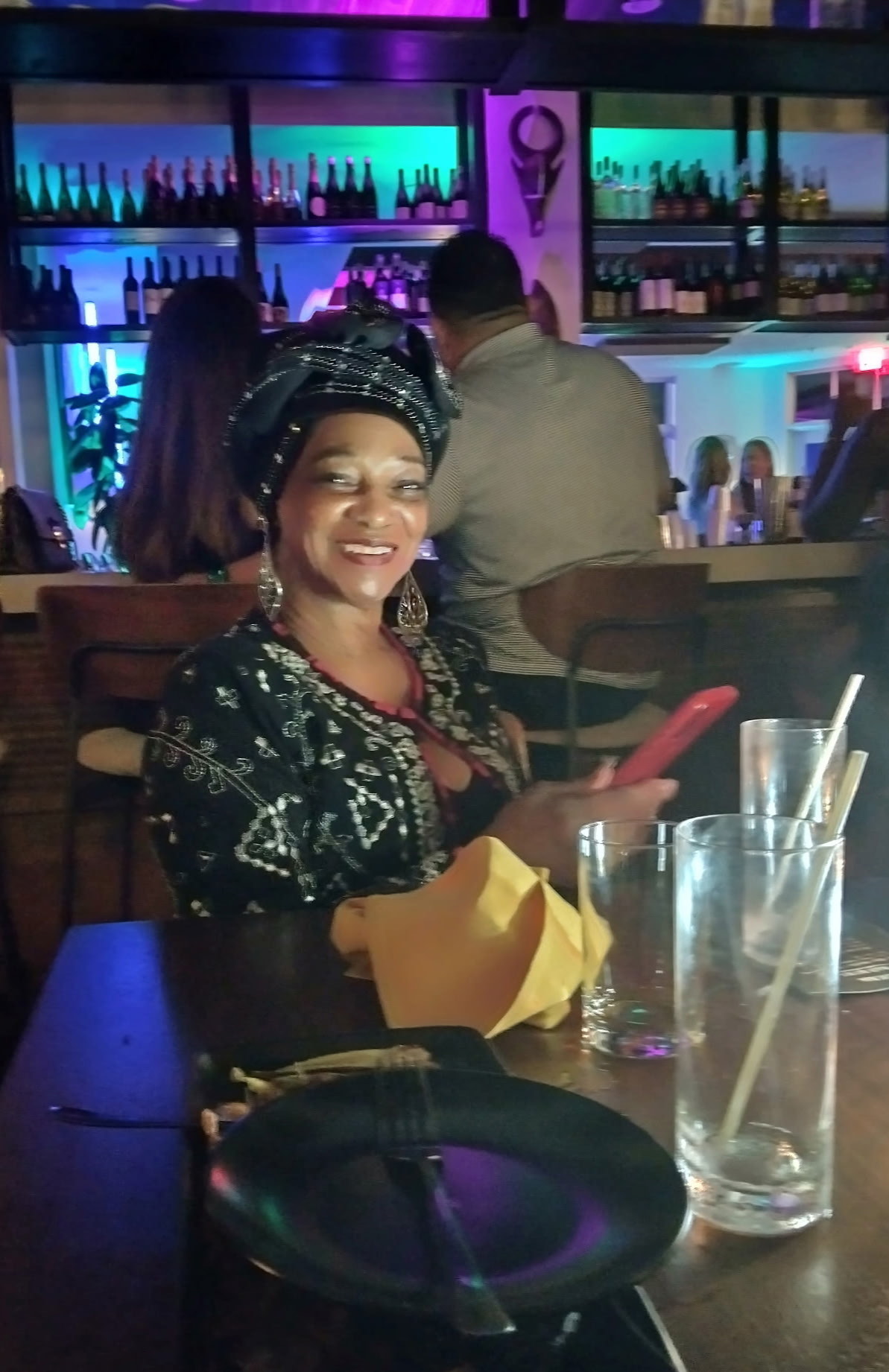
Sis Washington was a 1960s activist who protested against White Castle for refusing to hire Black workers.

Styles P is a Yonkers native. Although he is from Yonkers, he opened his first juice bar in the Bronx, around the Castle Hill area—not far from where MC Remy Ma grew up.
Styles has done great work not only in Yonkers and the White Plains area, but he has also been a strong advocate for the idea that health is wealth within Bronx communities. Through his efforts, Bronx natives are being given the opportunity to build better health and wellness.
Alongside his wife, Mrs. Styles, he continues to encourage people to eat healthier. For these reasons, we are honoring him for his meaningful contributions to the Bronx community.
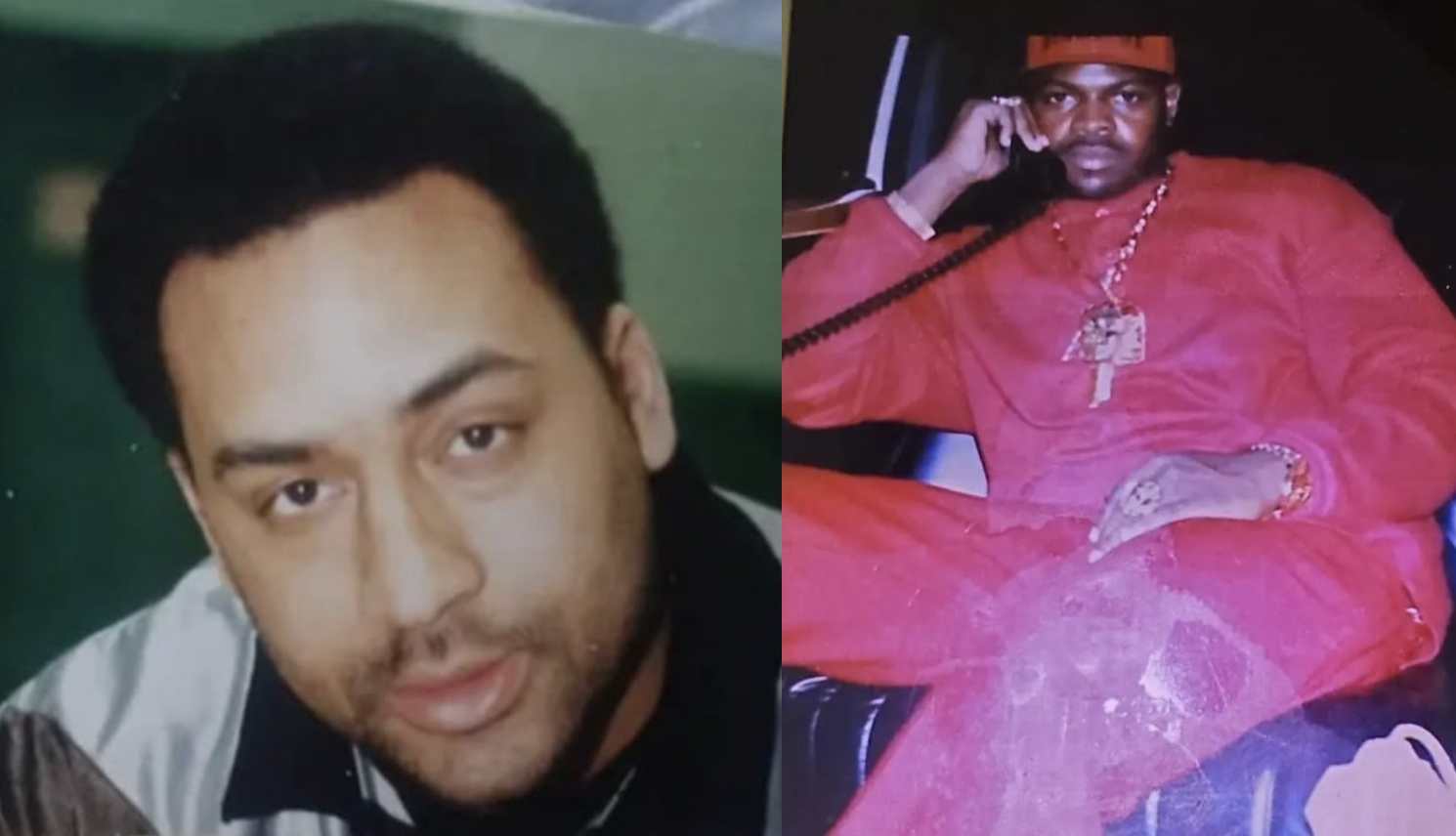
.
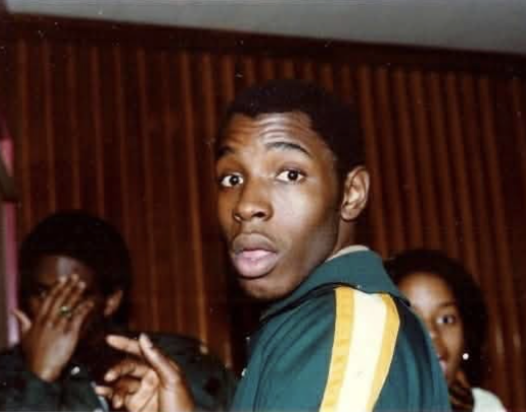
Cholly Rock (Anthony G. Horne) is a first-generation B-boy out of the Bronx, born in 1960, who immersed himself in the nascent hip-hop/breaking culture from 1974 onward. He became one of the original Zulu Kings under Afrika Bambaataa, representing the Northeast Bronx. Beyond dance, he leveraged hip-hop roots into education and public health – showing that the movement was about more than moves.
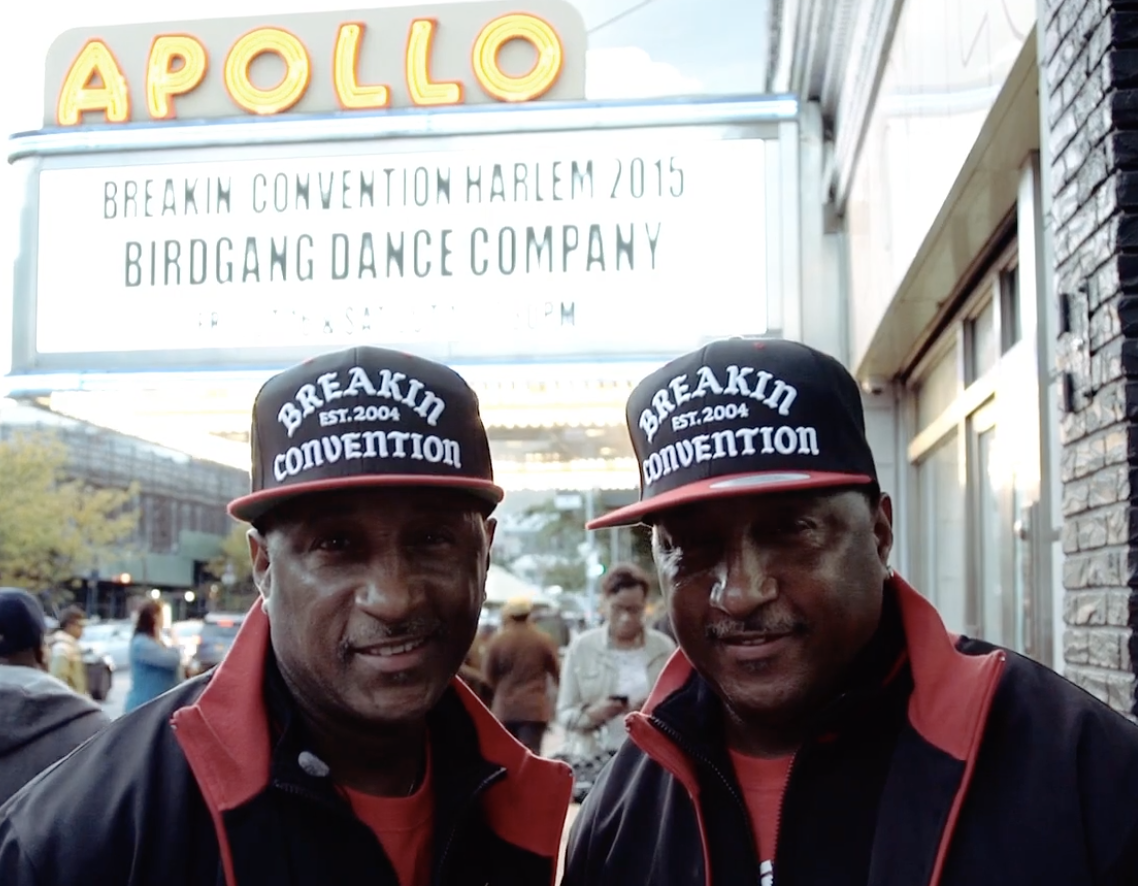
The Nigga Twins — Keith and Kevin — are two of the earliest street legends from Sedgwick Avenue whose influence ripples through the foundation of hip-hop culture. Coming out of the West Bronx in the late ’60s and early ’70s, the Twins were known for their style, their presence, and the way they moved as a synchronized force long before “crew culture” became a formal idea.
Before hip-hop had DJs, MCs, or even a name, the Nigga Twins were already local celebrities. Their dancing, their fashion, their attitude, and their command of the block set the tone for what would become the style and swagger of the culture. They weren’t performers on a stage — they were performers in the streets, the parks, the basement parties. They carried charisma and fearlessness, and their ability to “rock the room just by walking in” became part of Bronx folklore.
Their connection to Sedgwick Ave places them right next to the birthplace of hip-hop — the same community where DJ Kool Herc would soon ignite the movement. The Twins were part of the atmosphere Herc tapped into: the dancers, the energy, the street-corner styles that shaped the culture before the breakbeats hit. In many ways, the Nigga Twins represent the pre-hip-hop ingredient — the raw Bronx attitude that gave the new sound a soul.
Though they never chased the spotlight or industry fame, their legacy remains stamped on the early evolution of Bronx street culture. Ask anyone from those blocks and they’ll tell you — the Twins were icons. Their influence shows how much of hip-hop wasn’t invented overnight; it was lived, walked, talked, and embodied by people like Keith and Kevin long before the world ever caught on.
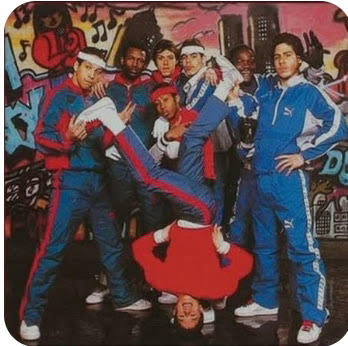
The New York City Breakers stand as one of the most iconic and technically gifted breaking crews of the early hip-hop era — a group that pushed street dance from raw Bronx cipher circles to international stages. Formed in the early 1980s, the crew became known for their precision, discipline, and next-level athleticism, setting a standard for breaking that the world still measures against.
Where many crews relied on pure freestyle energy, the NYC Breakers introduced a cleaner, more choreographed style while still keeping the battle spirit alive. Their routines blended power moves, freezes, footwork, and group synchronicity in a way no one had seen before. They didn’t just dance — they engineered movement.
Their rise was fast and explosive. The New York City Breakers performed on television specials, toured across the country, and showcased the culture on platforms that had never seen anything like hip-hop dance. Their legendary appearance in the film “Beat Street” cemented them as global ambassadors of breaking, inspiring dancers from the Bronx to Tokyo.
Members like Kid Glide and Lil Lep became early stars of the craft, pushing the physical limits of what breaking could be. The crew’s influence helped transform breaking from a neighborhood battle tradition into a respected art form and legitimized hip-hop culture on a national stage.
Even as the culture evolved, the NYC Breakers remained a symbol of discipline, excellence, and the Bronx-to-world pipeline that defines hip-hop. Their legacy lives in every competition, every crew, every dancer who trains with the same hunger for perfection. They helped prove that breaking wasn’t just dance — it was a movement, a lifestyle, and a global language.
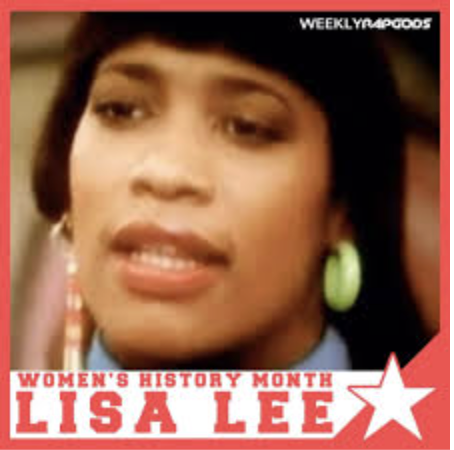
Zulu Queen Lisa Lee is a prominent pioneering female hip-hop MC and an original member of the Universal Zulu Nation. She is recognized as one of the very first female emcees and a key figure in early hip-hop culture in the Bronx during the 1970s.
Learn more about Queen Lisa Lee here.
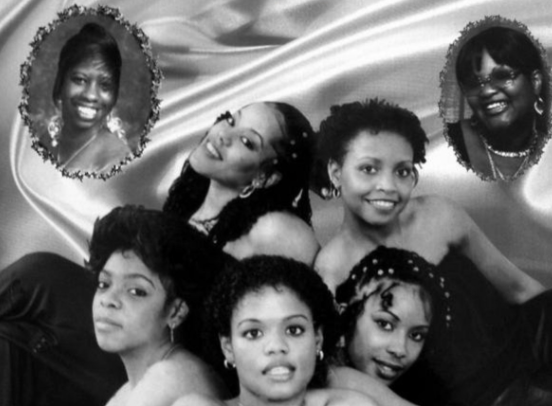
The Hip Hop group Mercedes Ladies, which consisted of Sheri Sher, DJ RD Smiley, Eve-a-Def, Zena-Z, DJ Baby D were formed in 1977 making them the first all-female rap group. The Mercedes Ladies were the sister group to the Original L Brothers. DJ Grand Wizard Theodore, Mean Gene, Busy Bee. The Mercedes Ladies performed with such acts as Kevie-Kev, Busy Bee Starski, Master Rob, Bambaataa, Red Alert, Kool Herc, The Furious Five, The Cold Crush Brothers, Grandmixer DST, etc. The Mercedes Ladies hosted parties and would rap lyrics for the crowd. The group as a whole never released music however Baby D aka DBore released No Sense in 1984 and Sherri Sher released Legend in 2021. RD Smiley and Bady D released Feeling It in 2025
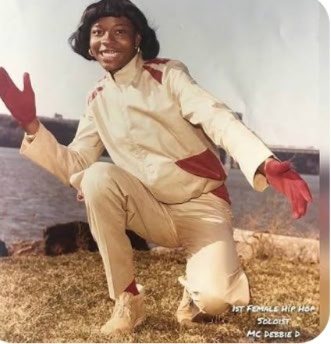
MC Debbie D stands tall as one of the first female MCs to ever pick up a microphone in hip-hop — a Bronx original whose voice, presence, and fearlessness helped carve out space for women in a culture that was still being invented. Coming up in the era of park jams, community centers, and DJ-driven block parties, Debbie D brought a sharp delivery, a confident stage style, and a lyrical prowess that demanded respect long before the industry started recognizing female talent.
Debbie D made her name rocking with the pioneers — Spade crews, neighborhood DJs, and early party architects — holding her own in cyphers and on stages where the energy was raw and the competition was real. She wasn’t just a novelty or a standout “female MC.” She was an MC, period. Her bars, her cadence, and her ability to control a crowd put her shoulder-to-shoulder with the best of her era.
Her rise came at a crucial time when hip-hop was still forming its identity. Debbie D helped shape that identity by showing younger girls — and the whole community — that women had a rightful place on the mic. She opened doors simply by standing on stage and refusing to be overlooked.
Though the early years of hip-hop didn’t always document every contributor, the people who lived it know: MC Debbie D is one of the culture’s foundation stones. Her legacy is in every female MC who came after — the entire lineage from Roxanne Shanté to Lauryn Hill to Nicki Minaj. She represents the Bronx truth that hip-hop was built by everyone surrounding those early jams, not just the names that made it to the spotlight.
MC Debbie D remains a living chapter of hip-hop history — a pioneer whose voice helped amplify the culture before the world knew it was listening.
.
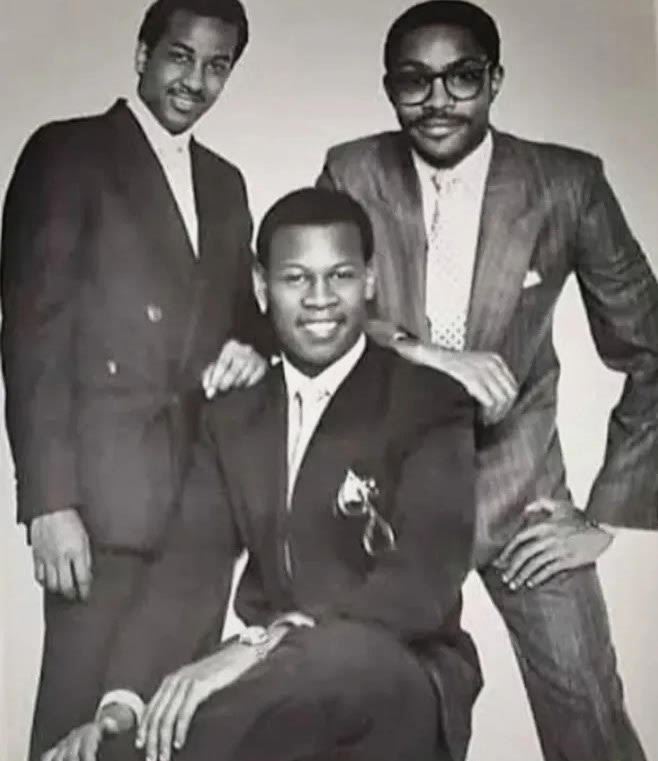
Dr. Jeckyll & Mr. Hyde was an American 1980s hip hop group consisting of Andre "Dr. Jeckyll" Harrell and Alonzo "Mr. Hyde" Brown.[1] The group was known for its corporate business image, wearing designer suits and ties while they rapped. The group first performed under the name Harlem World Crew and recorded on Tayster and Rojac Records in 1980.
Andre was a resident of the Bronxdale housing project in the Bronx, next to Disco King Mario’s building.
He later founded Uptown Records, where he signed Heavy D & the Boyz, Mary J. Blige, Jodeci, Christopher Williams, Al B. Sure!, Sequence, Finesse, and Jeffrey Redd.
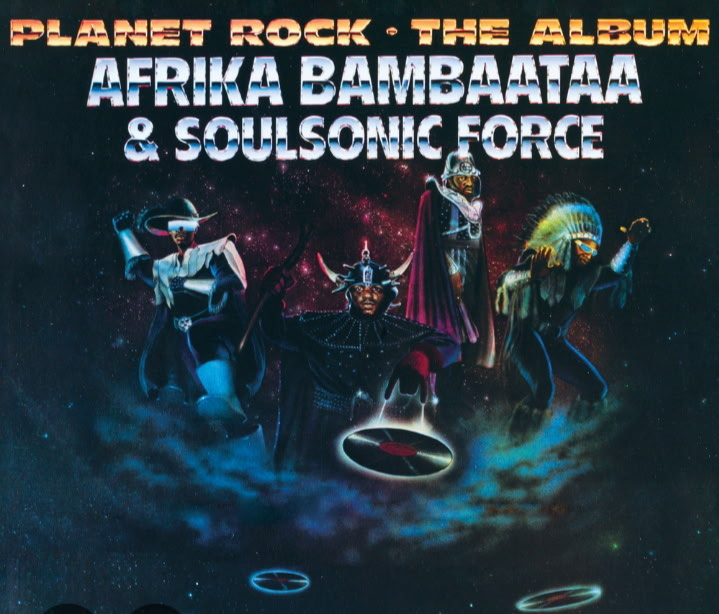
Soulsonic Force, led by the visionary Afrika Bambaataa, is one of the most influential groups in hip-hop history — a collective that didn’t just make records, but reshaped the entire sonic direction of the culture. Emerging from the Bronx in the late ’70s, the group — Bambaataa, Mr. Biggs, Pow Wow, and later G.L.O.B.E. — fused street-born rhythm with futuristic imagination, giving hip-hop its first true push toward electronic sound.
In an era dominated by park jams, soul breaks, and raw block-party energy, Soulsonic Force stepped left of center. They blended funk, electro, Kraftwerk-style synths, African rhythms, and outer-space flavor into something the streets had never heard before. Their landmark track “Planet Rock” didn’t just hit the Bronx — it hit the entire planet, redefining what hip-hop could sound like and opening the gates for the electro-era, breakdancing anthems, and the global movement that followed.
Soulsonic Force wasn’t just about beats. They brought an entire visual language — futuristic gear, tribal sci-fi aesthetics, and a stage presence that pulled the streets into another dimension. They showed young people from the inner city that imagination was a weapon just as powerful as a turntable or a mic.
Their influence powered breakdance culture, shaped early global hip-hop scenes, and pushed producers and DJs to experiment beyond traditional soul or funk records. Without Soulsonic Force, the evolution of hip-hop into electronic, dance, techno, and global club culture would look very different.
Today, their legacy stands as proof that hip-hop has always been more than music — it’s innovation, rebellion, and cosmic creativity. Soulsonic Force remains one of the groups that dared to imagine the future… and then dragged the whole culture into it.
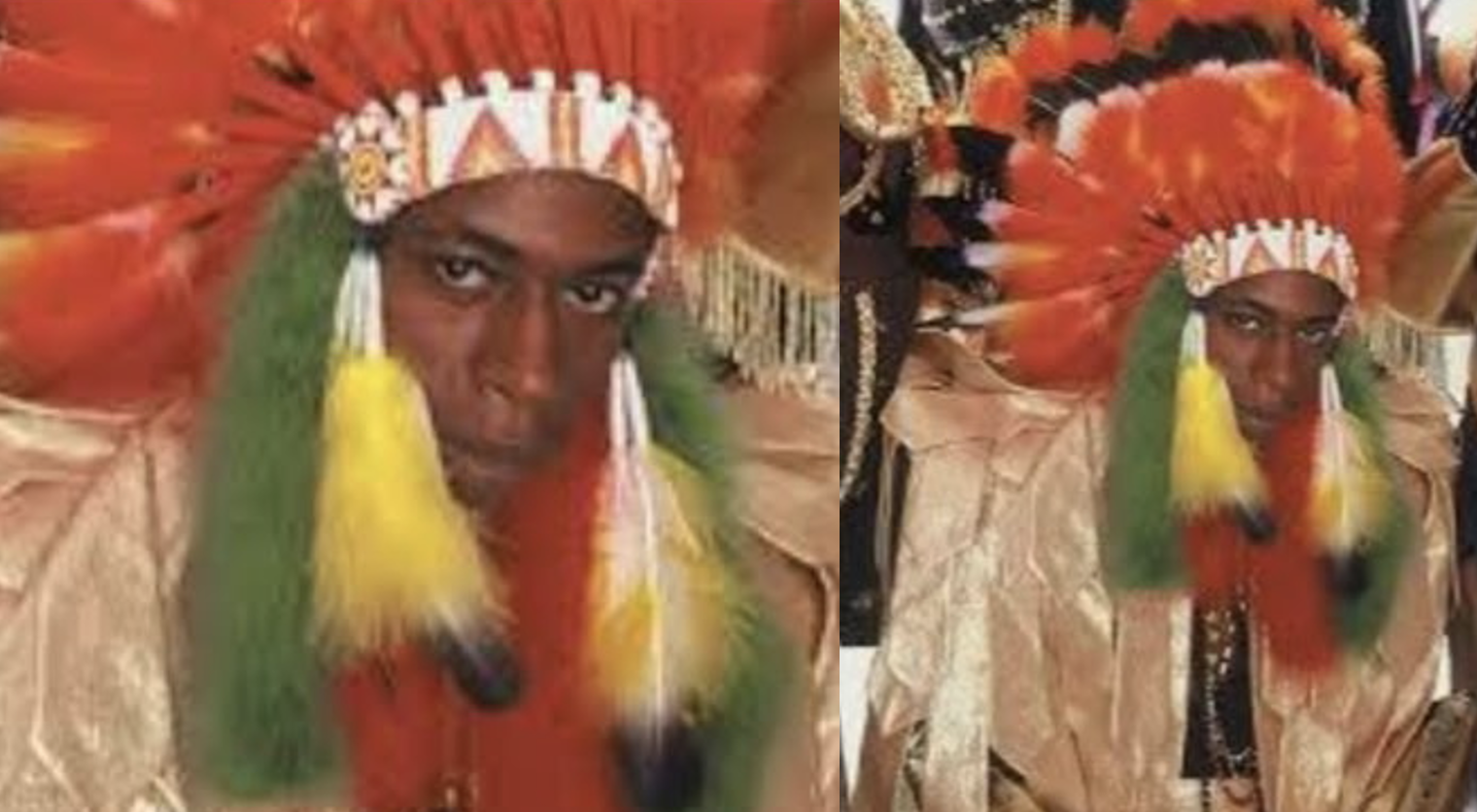
A special tribute to Soul Sonic Force MC Pow Wow
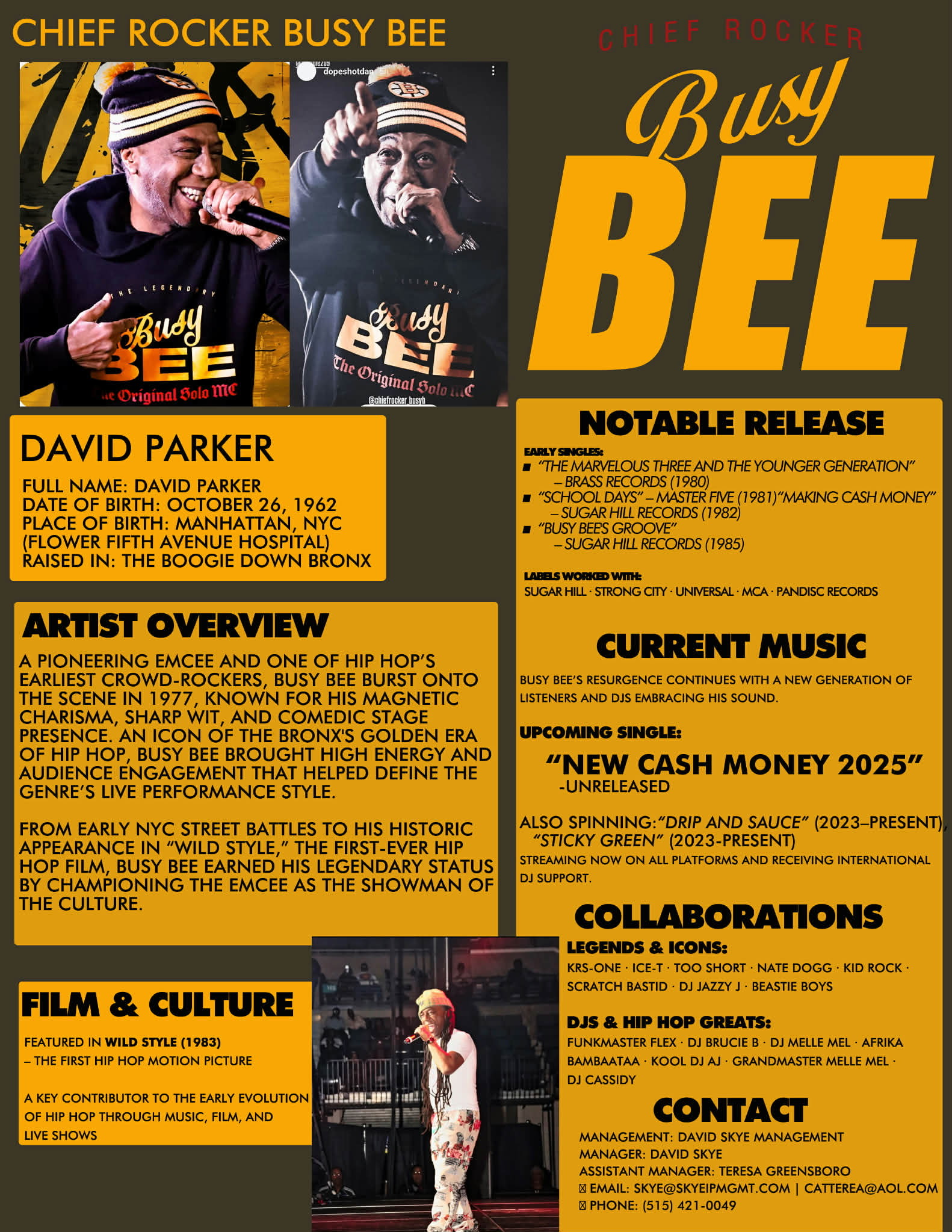
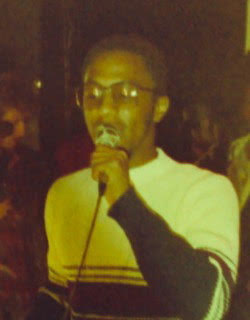
Busy Bee
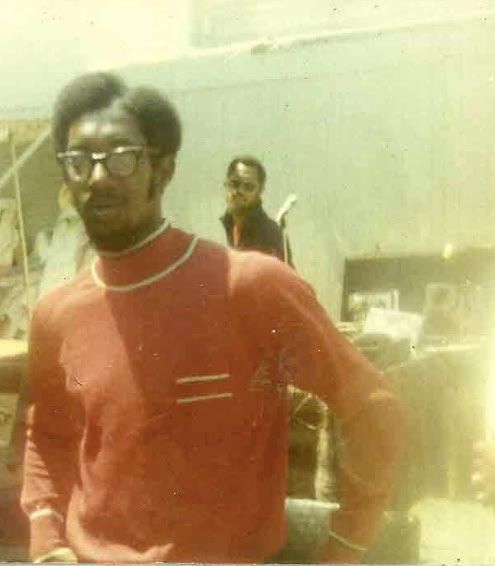
Coke La Rock is widely recognized as the first MC in hip-hop, the original voice on the mic before the culture even had a name. Coming straight out of the Bronx and rolling with DJ Kool Herc, Coke La Rock helped ignite the spark that would become a global movement — not from a studio, but from the raw energy of Sedgwick Avenue parties, block gatherings, and community center jams.
In the early 1970s, when Herc was extending breakbeats and turning the turntables into a new kind of instrument, Coke La Rock was the one speaking life into the crowd. His style wasn’t about complex rhymes — it was about presence, personality, shout-outs, street poetry, and controlling the room with pure charisma. Before “MCing” was an artform, before rap was a genre, Coke La Rock was on the mic setting the template.
He became known for his rugged voice, his improvised rhymes, and his iconic shout-outs — the earliest form of lyrical performance in hip-hop. Coke didn’t chase fame or industry shine; he existed in a time when hip-hop wasn’t a career path. It was a neighborhood pulse. A lifestyle. A Bronx invention that lived and breathed through real people.
Coke La Rock’s legacy is foundational. Every MC — from Grandmaster Caz to Rakim, from Biggie to Kendrick — traces their lineage back to the tradition he started. He is the living embodiment of the culture’s first heartbeat, the man who grabbed the mic at Herc’s parties and unknowingly helped give birth to the biggest youth culture movement on the planet.
Coke La Rock didn’t just witness history — he spoke it into existence.
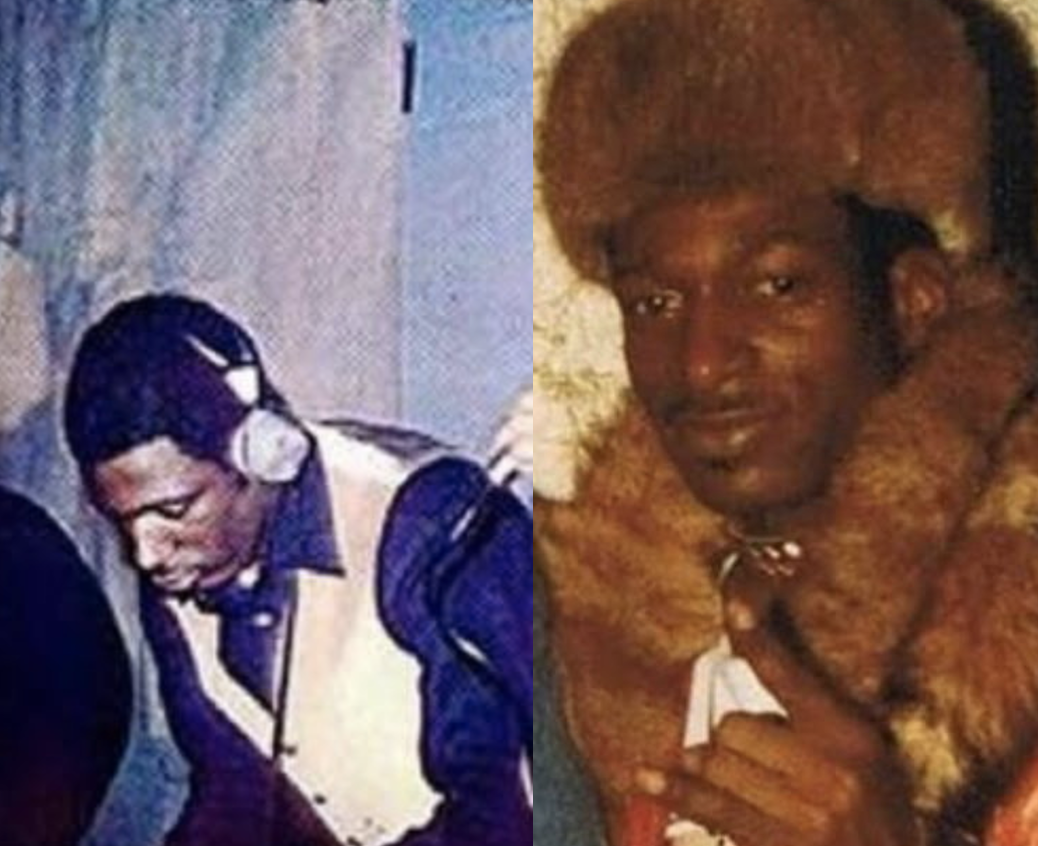
DJ AJ Scratch is one of the Bronx’s early turntable technicians — a DJ whose precision, timing, and flair helped shape the sound of hip-hop as it moved from park jams into clubs, mixtapes, and the early underground circuit. Coming up in the 1970s and early ’80s, AJ was known for his clean cuts, sharp blends, and the kind of rhythmic control that made the crowd feel every transition.
AJ made his name by mastering the art of scratching when the technique was still brand-new. He moved like a scientist on the decks, turning raw vinyl into a living instrument and pushing the sound forward with creativity and discipline. While other DJs were focused on big breaks and heavy bass, AJ took the finesse route — tight cuts, tasteful juggles, and precise scratch patterns that gave dancers and MCs a perfect canvas.
He earned respect not only for his technical ability but for the way he carried himself in the DJ community. AJ Scratch represented that generation of Bronx DJs who weren’t chasing the spotlight but building the blueprint — the ones who put in the work in gyms, parks, and community centers so the culture could grow into what it would eventually become.
His influence echoes through the evolution of turntablism: the early scratch sounds, the cleaner blends, the crisp transitions that became the backbone of hip-hop DJing. Though he may not always be the first name mentioned in mainstream conversations, the heads who were there know — AJ Scratch helped define the craft.
DJ AJ Scratch stands as one of those essential early architects — the DJs who treated the turntable like an instrument long before the world realized it was one.
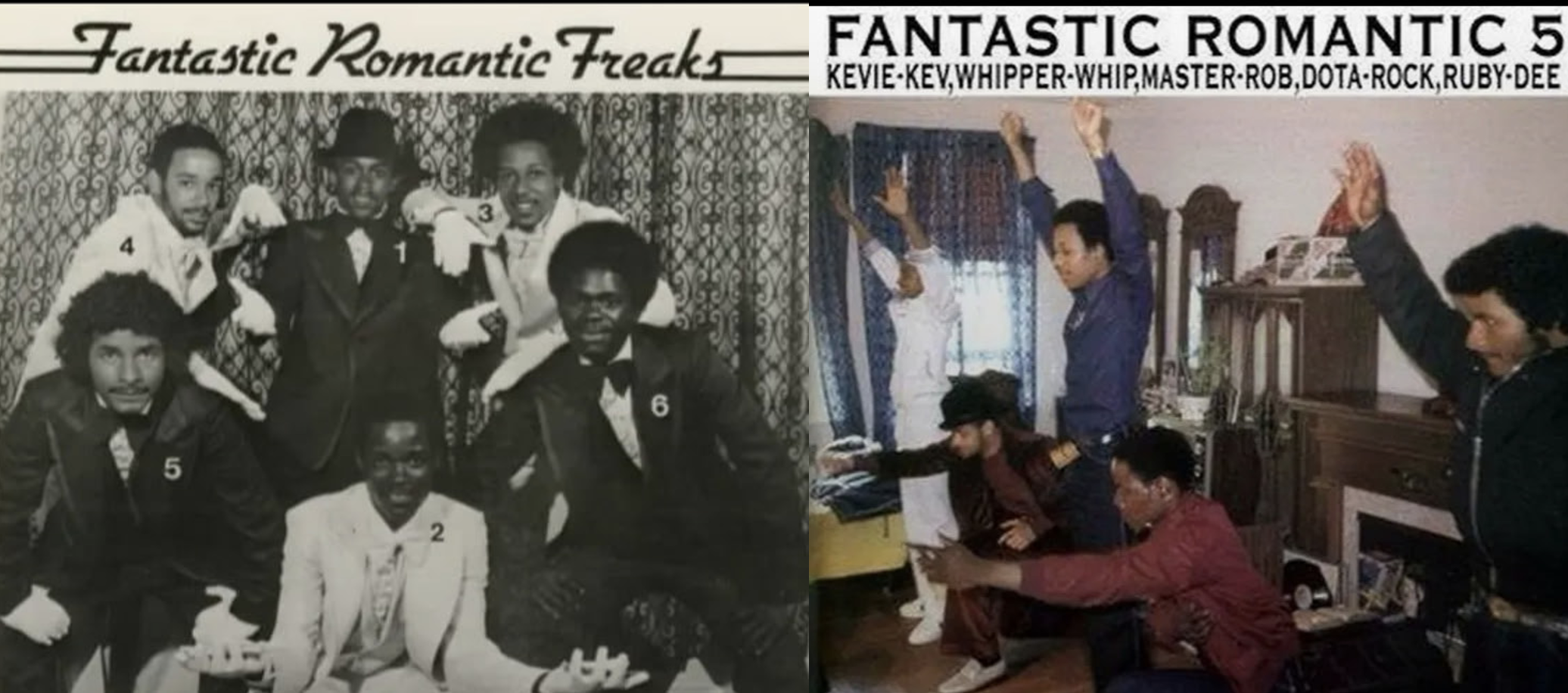
Grandwizard Theodore & the Fantastic Five (also known as the Fantastic Freaks or simply Fantastic Five) was an old school hip hop group, best known for their 12" single, "Can I Get A Soul Clap" (1980)[1] The group also appeared in the film Wild Style (1982)[2] and recorded a song in 1994 with the Cold Crush Brothers and Terminator X which appeared on Terminator X's album, Super Bad. In 1998, they released Harlem World 1981, a recording of an MC battle between the Fantastic Five and Cold Crush Brothers, which had taken place in 1981.
The Fantastic Five has a lot of first. Grand was a Theodore who created the scratch Prince Whipper Whip and Ruby D 2 of the first Latino mc’s in hip hop.
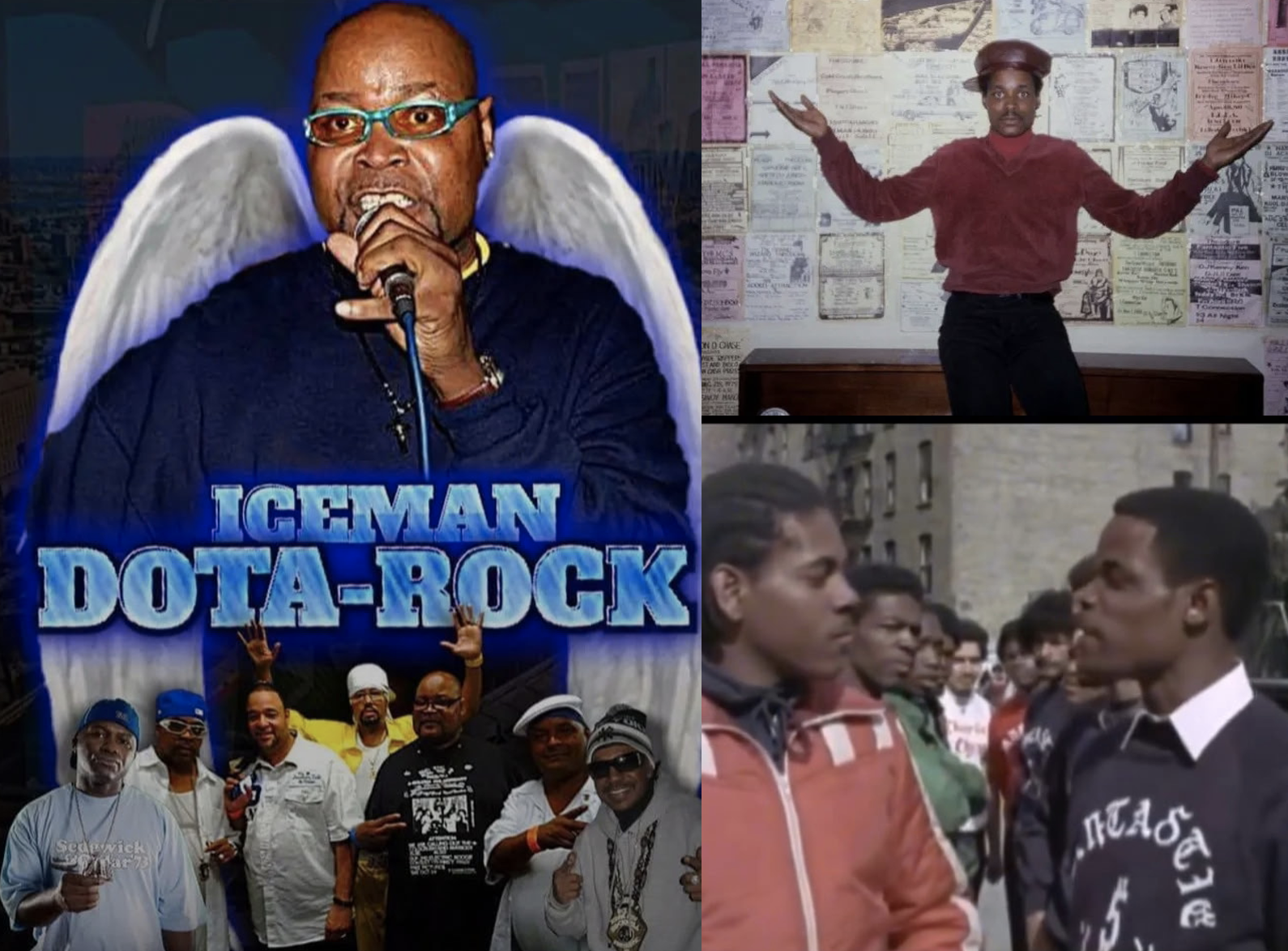
Rest in Peace: A Special Tribute to Fantastic Five MC Dot A Rock
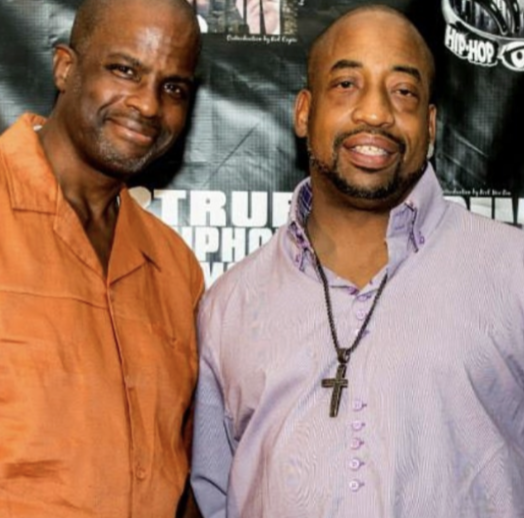
DJ Baron and DJ Breakout were pioneering DJs in the early Bronx hip-hop scene, known collectively as the Brothers Disco, and were the official DJs for the legendary group the Funky Four Plus One. There is no single song titled "Dj Baron & breakout"; rather, they were a DJ duo.
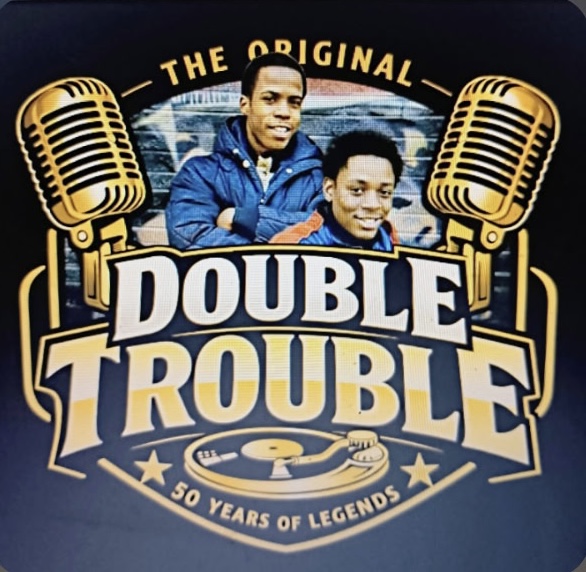
The Original Double Trouble is a pioneering hip-hop duo consisting of Lil’ Rodney C! and KK Rockwell, two foundational architects of early rap music whose influence helped shape the culture, performance style, and global reach of hip-hop.
Emerging from New York City in the late 1970s, Double Trouble stood at the very birth of the art form—when hip-hop was still being forged in parks, schoolyards, and community centers. Known for their commanding stage presence, lyrical confidence, and electrifying call-and-response routines, the duo quickly earned a reputation as elite live performers who could rock any crowd.
Lil’ Rodney C! and KK Rockwell were members of the legendary Funky Four Plus One More, one of the first hip-hop groups to achieve mainstream visibility. During this era, they helped push rap beyond the streets and into broader cultural consciousness, culminating in historic performances that placed hip-hop on international stages.
In 1982, The Original Double Trouble made cinematic history as cast members in Charlie Ahearn’s groundbreaking film Wild Style—widely regarded as the first hip-hop movie. Their appearance documented hip-hop culture in its purest form and preserved the raw energy of the movement for future generations. Originally conceived as a documentary on the Funky Four, Wild Style ultimately became the official debut of Double Trouble as a distinct duo.
Following Wild Style, Lil’ Rodney C! and KK Rockwell continued to innovate musically. In the late 1980s, they re-signed with Enjoy Records, where they released “Are You Ready (For the Big Throwdown)”, one of the earliest examples of hip-hop swing—a forward-thinking fusion that predated and influenced later genre crossovers. The record featured background vocals from Angie B of The Sequence, later known worldwide as Angie Stone, further cementing the group’s place in hip-hop history.
Beyond records and films, The Original Double Trouble played a crucial role in taking hip-hop overseas, performing extensively in the United Kingdom and Europe during a time when the culture was still new to international audiences. Their live shows helped export authentic hip-hop performance worldwide, laying groundwork for the global movement hip-hop would become.
More than performers, Lil’ Rodney C! and KK Rockwell are living witnesses to hip-hop’s genesis—artists whose careers span from the culture’s earliest days to its lasting legacy. Their story is not only about music, but about history, preservation, and authenticity.
Today, The Original Double Trouble stands as a symbol of hip-hop’s foundation: raw, fearless, innovative, and timeless.
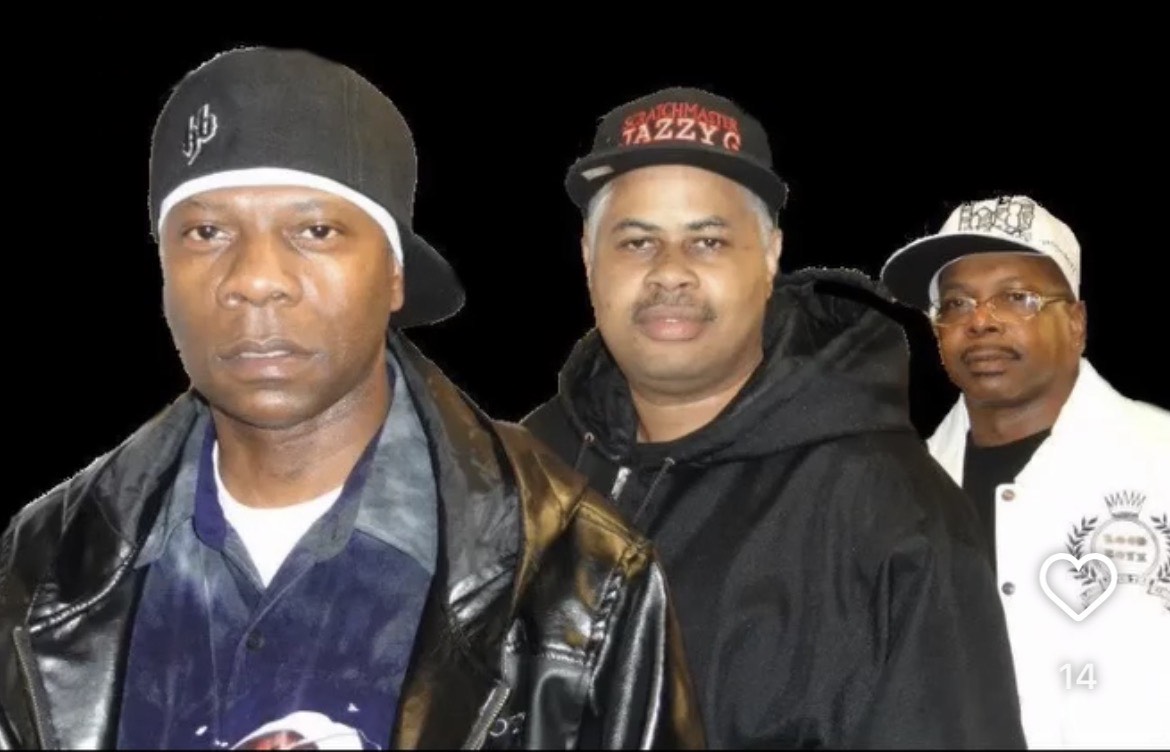
The B-Boys refers to an early Bronx hip-hop group from the 1980s, featuring Donald D and Brother B. They are known for classic tracks such as “Two Three Break.”
The term “b-boy” (break-boy/break-girl) is a general name for a hip-hop dancer or cultural devotee, originating from the movement sparked by Kool DJ Herc.
Today, The B-Boys remain active with Donald D, Brother B, and ScratchMasta Jazzy G, releasing new music. The core idea of b-boys and b-girls remains foundational to hip-hop culture, encompassing dance, style, and attitude, with strong influence from pioneers like Donald D and Brother B.
The B-Boys’ style blends classic b-boy energy with a ScratchMasta Jazzy G flavor.
Members:
Donald D
Brother B
ScratchMasta Jazzy G
DJ Chuck Chillout (former member)
Their musical style is rooted in old-school and true-school hip-hop, with hits like “Two Three Break” and recent releases such as “We Get Down” on SpitSLAM Records.
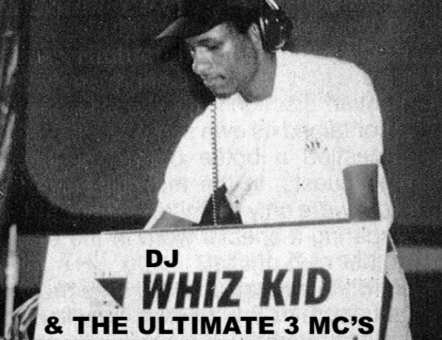
DJ Whiz Kid, born Harold McQuire, was a legendary and innovative hip-hop DJ celebrated for his swift, technical skill on the turntables and his influence in the early days of the culture. Rising to prominence in the 1980s, he was known both for winning multiple "Best DJ" awards at the New Music Seminar and for his iconic work alongside MC G.L.O.B.E., as well as his deep connection to the Kung Fu film community. Whiz Kid's humble nature and passion for music and film fostered meaningful friendships and inspired countless DJs, but despite his outsized talent, he remains an under-acknowledged figure whose impact on both hip-hop and street culture still resonates today.
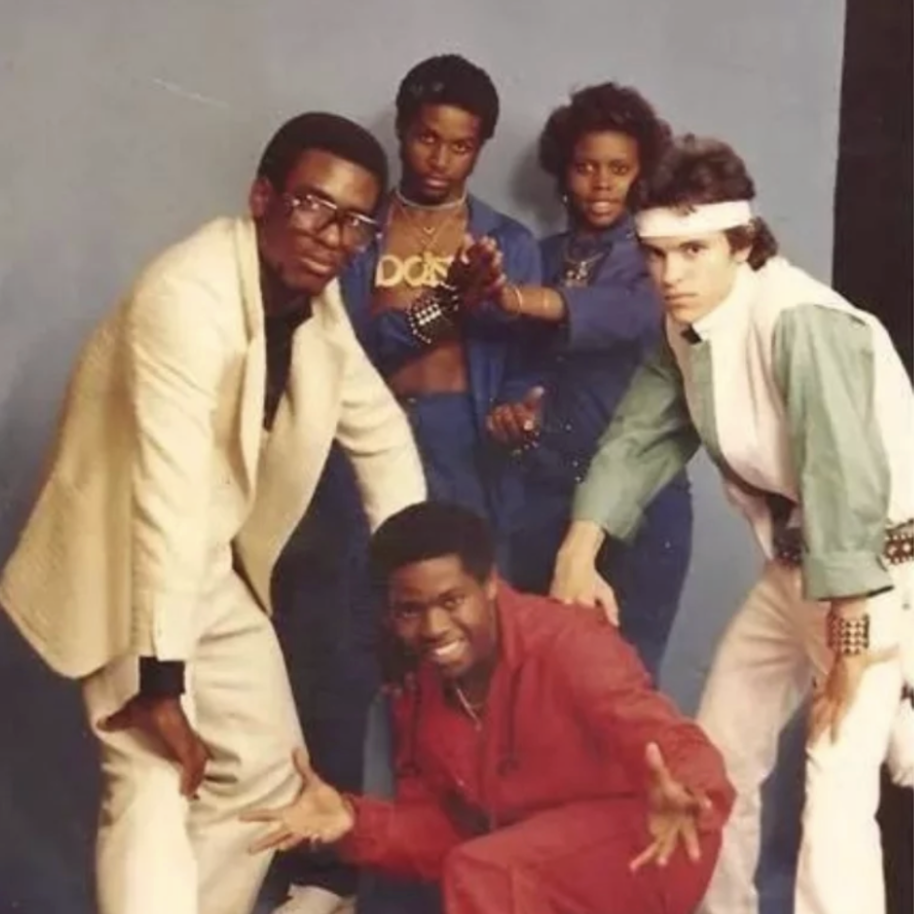
The Masterdon Committee, from 147th Street in Harlem, dropped their breakout hit “Funkbox Party” on Enjoy Records in 1983, followed by tracks like “We’re Gonna Get You Hot” and “Music Gram,” with Masterdon later releasing “Funkbox Party II” on Profile. Pebblee Poo scored her own success with “Fly Guy,” while the crew also released “Get Off My Tip” and Masterdon’s solo “Pay the Cost to Be the Boss.” Produced mostly by Pumpkin and Bobby Robinson, the group stood out as one of the first early hip-hop crews to blend Latin and female MCs.
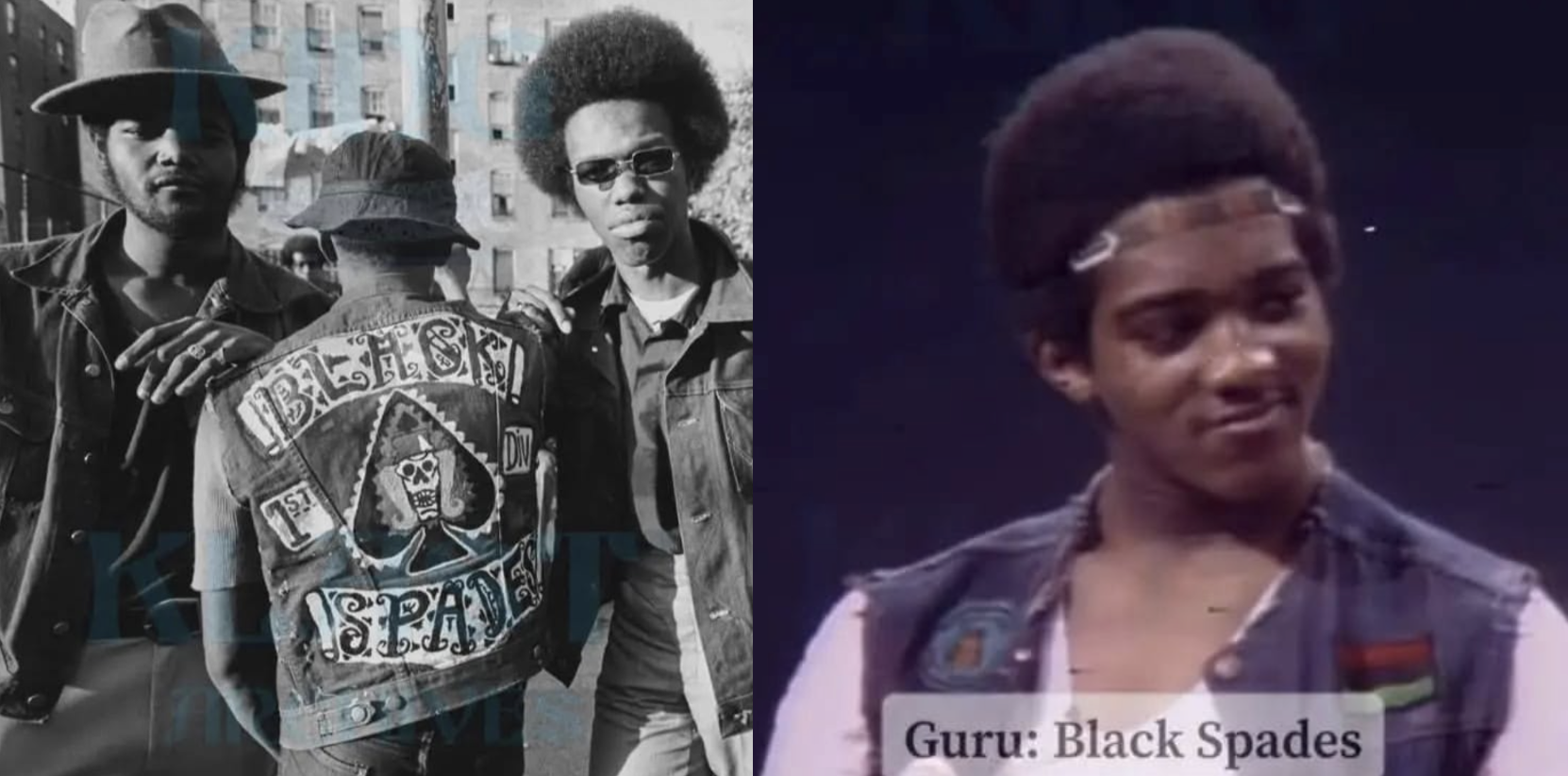
Guru is a key figure in Bronx street history, known as a founder of the Black Spades, the influential youth organization born in the late 1960s in the Bronxdale Houses. In a time of racism and neighborhood turmoil, he helped shape the Spades into a disciplined force that protected Black and Latino youth. Under his early guidance, the group grew into one of New York’s most powerful street organizations and laid cultural groundwork that later fueled hip-hop’s rise, with members like Afrika Bambaataa carrying that energy into community-building and music. Though much of Guru’s story lives in oral history, his impact on Bronx culture and early hip-hop remains undeniable.
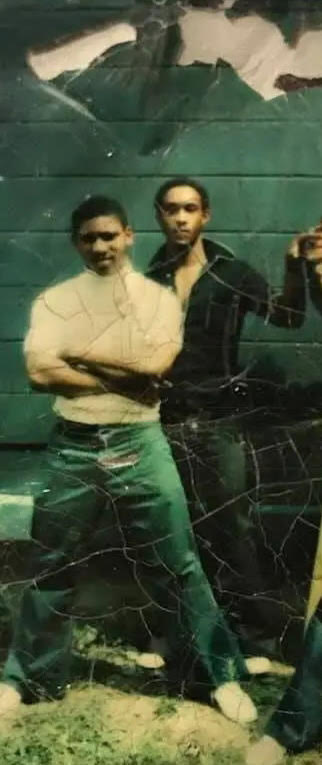
Karate Pete — also known by the name Khalif — emerged as a central figure in the rise of the Black Spades of the Bronx, helping to steer the organization during a pivotal era of street evolution. As a youth rooted in the Soundview/Bronxdale-Houses milieu, Pete brought discipline, presence, and a unique combination of street-wisdom and performance-style energy to his role within the Spades.
His leadership style was not merely about turf or dominance; Pete emphasized structure, self-respect, and the transformation of the gang mindset into organized community identity. With his nickname “Karate,” he symbolized the inner-city warrior turned cultural architect: someone who fought to survive, then fought to uplift. Under his influence, the Black Spades began to bridge the gap between survival on the streets and the emergence of youth culture, music, and social unity.
Though the spotlight often shines on the founders, Pete’s story embodies the next generation of leaders who took those founding rules and turned them into a movement. Today, his legacy is evident wherever youth in urban neighborhoods reclaim their power through creativity, community, and culture rather than conflict. Karate Pete aka Khalif remains a vital, often under-recognized thread in the tapestry of Bronx gang-to-culture transformation.
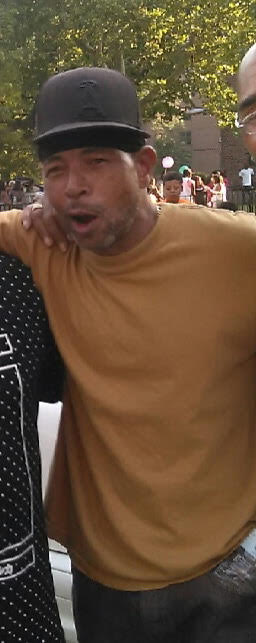
Sunshine emerged from the Bronxdale Houses in the Soundview section of the Bronx, stepping into one of the most pivotal roles in the early formation of the Black Spades. As one of the organization’s foundational figures, he helped chart the course for what began as a neighborhood-youth collective and evolved into a potent force in urban culture.
Under Sunshine’s early influence, the Black Spades were grounded in a sense of protection, community identity, and street survival—prior to the group’s full shift into gang stereotypes. His contribution is two-fold: on the one hand, he helped shape the Spades’ original ethos of defense and neighborhood loyalty; on the other, he was part of the subtle transition where those structures started to connect with broader cultural movements—block parties, youth empowerment, music, style.
Though the name Sunshine may not be as widely cited as some of the later torch-bearers, his role remains critical: he represents that early phase when youth from the Bronx’s housing projects moved from mere survival to self-organization, from turf and territory to culture and expression. His legacy resonates in how the Black Spades served as a precursor to youth-led cultural transformation in New York City.
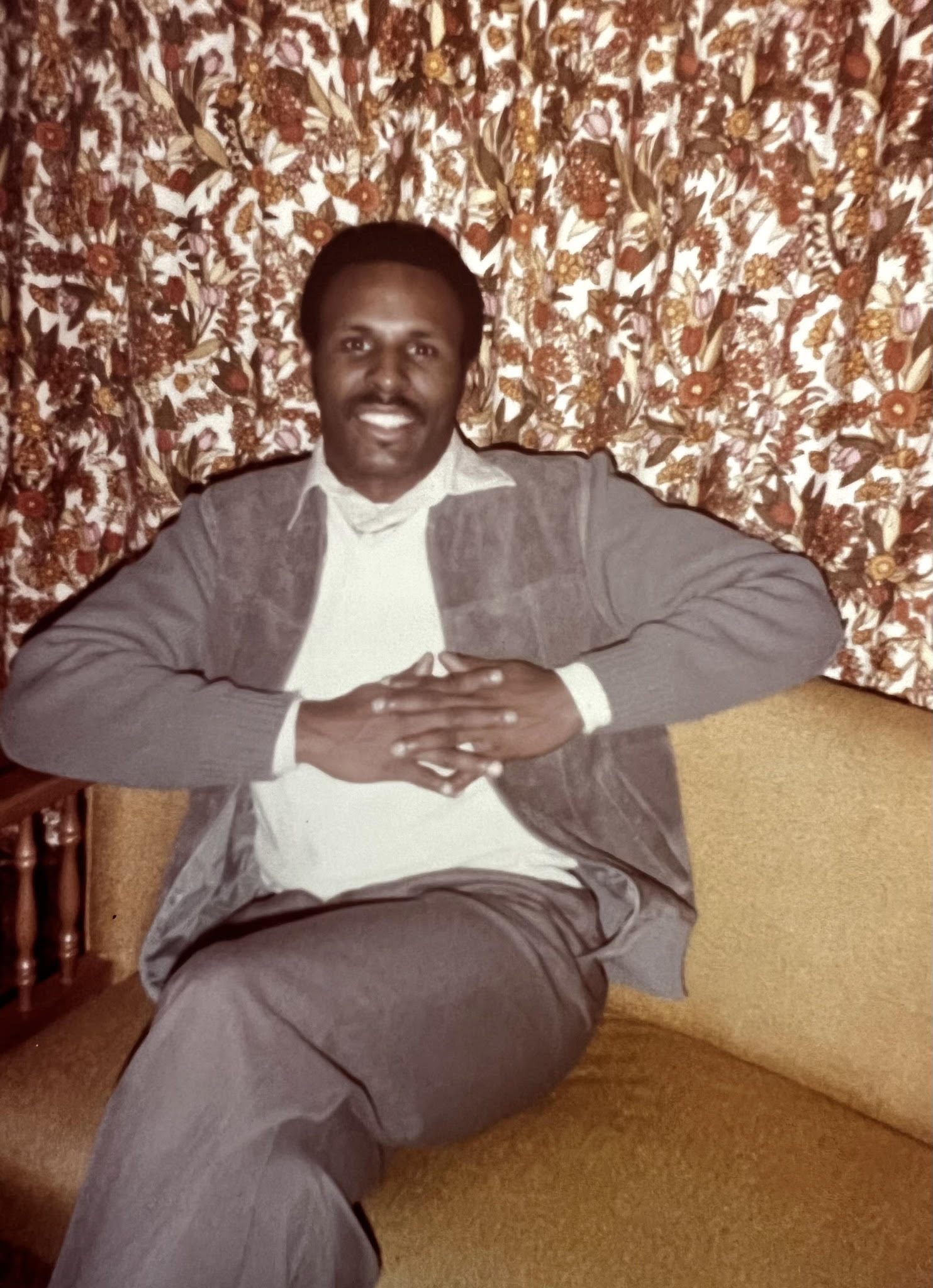
DJ Sinbad became a member of the Black Spades in the 1970s. Over the years, many Black Spades got jobs at Pathmark. After that, Sinbad got into the music scene.
Sinbad and Tex, along with DJ Hollywood, played together. Sinbad and Disco King Mario lived in the same building at 1715 Buckner Boulevard in the Bronxdale Housing Projects. Sinbad lived on the 7th floor, and Mario lived on the 2nd floor. That’s where Sinbad and Disco King Mario connected.
Sinbad also became partners with DJ Afrika Bambaataa, who was from the Bronx River Housing Projects. Sinbad introduced Disco King Mario to Afrika Bambaataa, and the two linked up. From then on, I played under the name DJ Sinbad. As a Black Spade, my name was simply Sinbad.
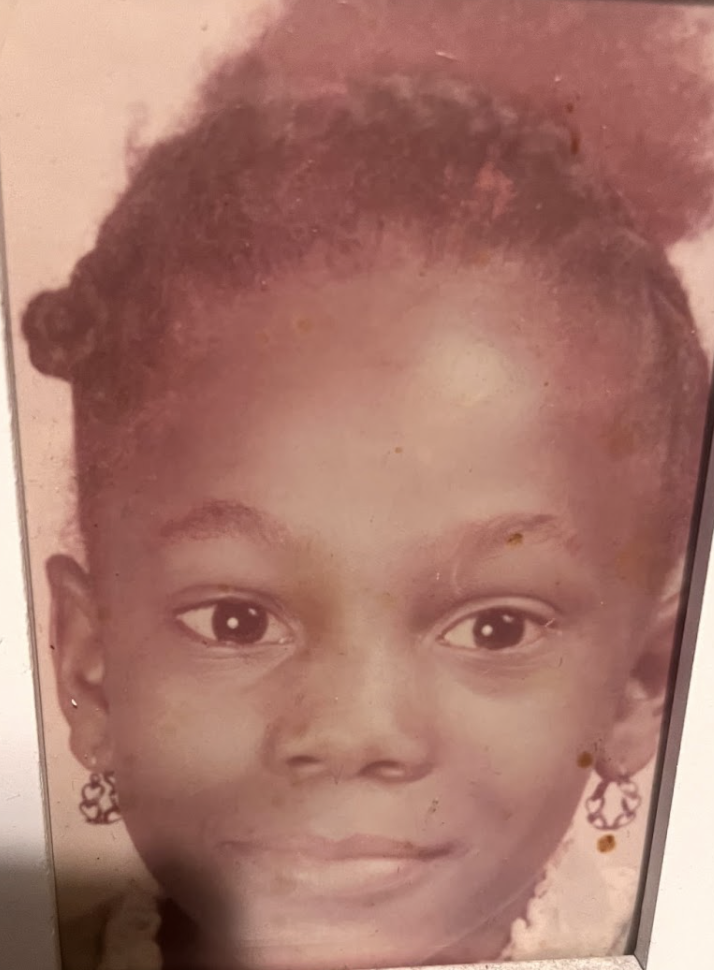
Sarita Logan, who is from the Bronxdale Housing Projects, she nicknamed herself Big Sissy.
Sarita had many talents. One of her skills was dancing. She gathered a lot of young girls in her neighborhood to form her dance groups, who performed in talent shows back in the ’70s. She taught Double Dutch and also gave Double Dutch tournaments in the projects. She tutored young people in mathematics. She was a wizard in math — calculus, algebra, you name it.
She was always creating activities for the young kids in the Bronxdale Housing Projects, from taking them to the first skating rink in the neighborhood, the well-known Skating Palace, to the weekend Kitty dances in the Bronxdale Housing Projects Community Center.
Sarita had a close bond with Disco King Mario and his family members since she was a young child. The two families lived in the next building from each other.
Sarita was the Big Sista to Queen Anita, giving her the nickname Lil Bitty Sissy. The two had a strong bond while Queen Anita was growing up.
Sarita also had a close bond with many of the first generation of hip-hop, including the founders of the L Brothers: DJ Mean Gene, Waterbed Kevie Kev, and Grand Wizard Theodore. She also went to school with one of the first female hip-hop pioneers, Zulu Queen Lisa Lee.
She had special bonds and connections with Little Rodney C and his late older brother, Perry B. Through Rodney, she struck up a friendship with the late, great, legendary Angie Stone, who was down with the hip-hop female group The Sequence at the time of signing with Sugar Hill Records. Angie was married to Rodney C. Stone.
Sarita was also known for her cooking skills. She helped Queen Anita promote her first Disco King Mario event in 1994. Sarita catered Disco King Mario’s 1995 dedication at Parkside Plaza. Grand Wizard Theodore was the DJ. It was a 1970s-themed event.
Because of her contributions to hip-hop culture and her dedication to helping people in the community, Sarita is being honored with a special tribute by Queen Anita, who is presenting the award to Sarita’s sister, Diane Logan, and Sarita’s two grandsons on her behalf.
Miss you, Big Sis 🌹

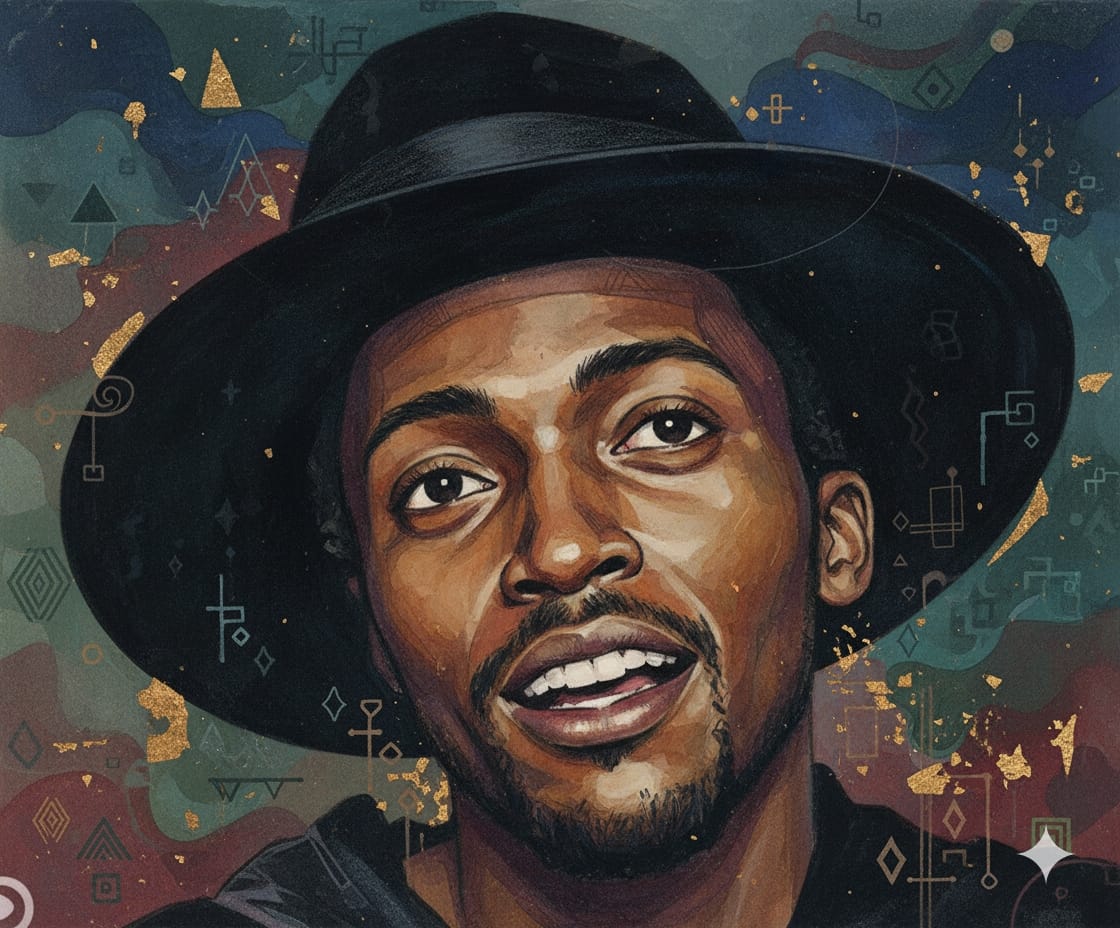
He was Mario's right hand man who was never mentioned. He was well known in the early hiphop industry, he spinned records along side Disco King Mario, DJ Desi Dez, DJ Ronni Ron, and DJ Sinbad. They were the Pillars of the Bronx Community.
He was a trailblazer who passed away recently but will always be remembered RIP.
.
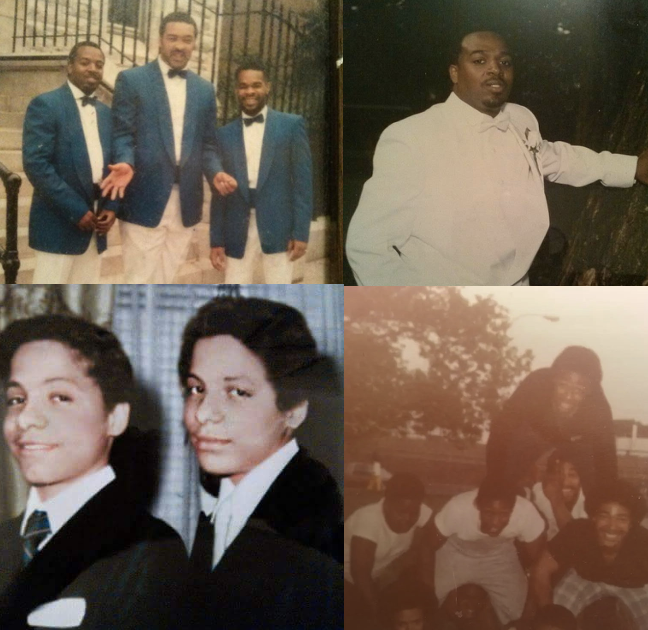
DJ Ronnie Ron (RIP)
DJ Desi Dez
Kala
Gavin (RIP)
Benny
Charlie Rock (RIP)
Taboo (RIP)
Richie Twins - Darryl & Darren
Mario, famously known as “Disco King Mario,” Is known as The fourth Founding Father of the Hip Hop Culture was a trailblazer in the disco and hip-hop music scenes. Born on July 1, 1956, in Edenton, North Carolina, Mario developed a passion for music at an early age. He moved to the Bronxdale Housing Projects in the Bronx, New York, where his love for music flourished.

Uncover the unforgettable moments that defined the HipHop era and the visionary behind them.

Discover how music became a powerful force for community and change.
Discover how music became a powerful force for community and change.
Disco King Mario (July 1, 1956-1994) was a pioneer of Hip hop. In the 1970s, Mario was a prominent DJ of the New York Bronx.
An essay discussing Mario's role in the early hip-hop scene, accompanied by images and historical context.
Explore ways to engage with our dynamic community.
Contact us for more details or to share your own HipHop stories.
Connect with us for the latest news and exclusive insights.
Dive into the vibrant history of a HipHop pioneer, from the iconic 1970s parties to today's musical influence.
A visionary in the HipHop world, known for unforgettable parties that united communities and sparked a cultural movement.
Our mission is to honor the legacy by fostering community events and educational initiatives that celebrate HipHop.
Help us keep HipHop's spirit alive by volunteering, sharing our mission, or donating to support our cause.
Your support funds community events, educational programs, and preserves the legacy for future generations.
A passionate advocate, leading the foundation with dedication and organizing events since the 1990s.
Connect with us online for updates on events, stories, and ways to engage with HipHop culture.